Recent projects
Dr Wesley Charles Smith, Advanced Science 2026, 0:e2207
Miniaturized Bidirectional Thermal Stimulation System Integrated With an Electrode Array for Recording Neural Activities
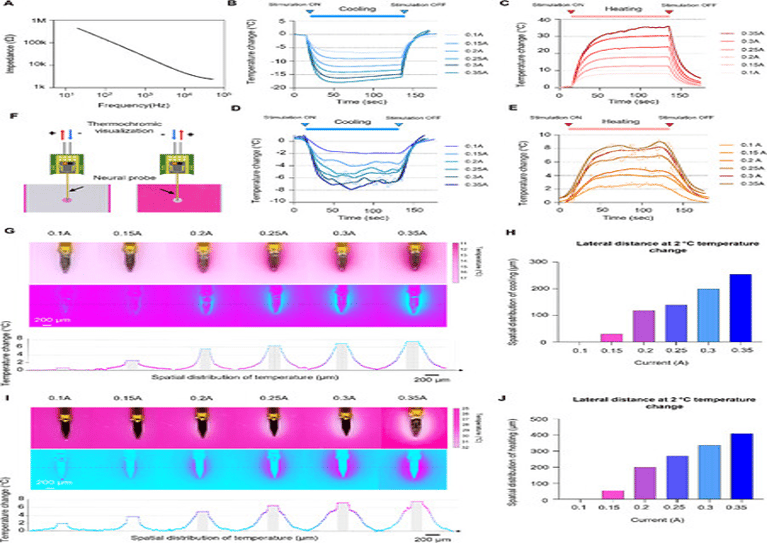
Investigating the neural mechanisms underlying brain function is essential for advancing both our understanding of neurological processes and the development of effective treatments. However, traditional neuromodulation techniques typically provide only unidirectional control—either excitation or inhibition–limiting their capacity to investigate dynamic brain circuits. Here, we present a miniaturized, bidirectional thermal stimulation system integrated with a multichannel electrode array, enabling real-time, bidirectional modulation through localized heating and cooling. This innovative system allows precise and reversible control of brain temperature, facilitating both excitation and inhibition within a single, compact platform.
We demonstrate its capability by targeting the locus coeruleus (LC) in head-fixed mice, inducing robust, directionally dependent changes in neural activity and accompanying behavioral responses, such as pupil dilation and constriction. In contrast to conventional approaches, our system achieves high temporal resolution and seamless integration of stimulation and recording. The proposed system provides a powerful and versatile tool for dissecting the dynamic regulation of neural circuits and opens new avenue for developing interventions for neurological and neurodegenerative disorders.
Jamil Zainab, AI-Astronaut Research Intern
An Explainable AI-Based Autonomous Clinical Decision Support System for Deep Space Missions
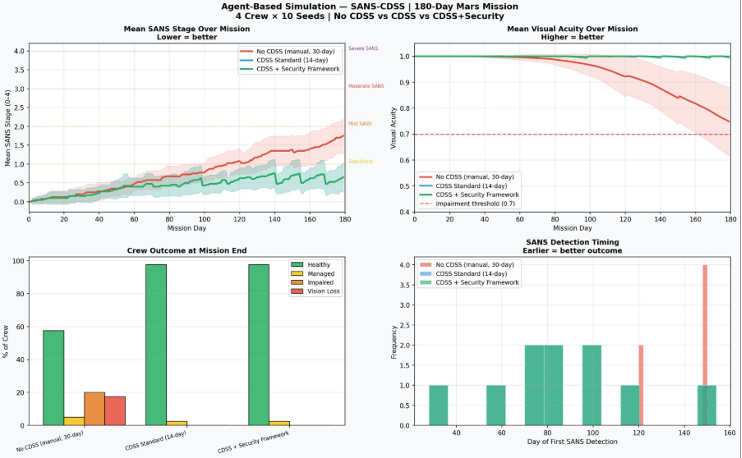
Spaceflight-Associated Neuro-Ocular Syndrome (SANS) is a NASA top-priority "red risk" affecting up to 70% of astronauts on long-duration missions. To enable autonomous healthcare in deep space, this work presents the first integrated, explainable, and secure Clinical Decision Support System (CDSS) for SANS monitoring via Optical Coherence Tomography (OCT). Evaluating five deep learning architectures on the OCT2017 dataset, EfficientNet-B0 achieved 96.07% accuracy while quantifying a previously unreported 3.0%–4.3% data leakage effect. A five-method explainability comparison identified Grad-CAM++ as the most stable technique using a novel consistency metric. Incorporating Monte Carlo Dropout for uncertainty quantification raised accuracy to 99.37% by postponing high-uncertainty cases. To counter adversarial vulnerability, a five-layer cybersecurity framework was implemented. Finally, a 180-day Mars transit agent-based simulation demonstrated that this CDSS drastically reduces crew impairment from 38% to under 3%, proving its critical value for autonomous space medicine.
Professor Caldwell Helps Shape Future of Human Mars Exploration
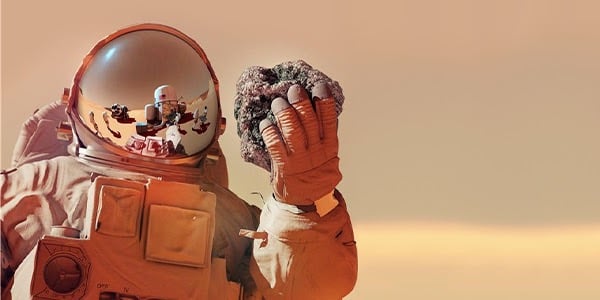
We are delighted to announce that our esteemed US colleague, Professor Barrett Caldwell, has participated in the research and publication of the US National Academies' Science Strategy for Human Exploration of Mars report.
Professor Caldwell served as panel co-chair (Human Factors Lead) for the Biological and Physical Sciences and Human Factors Panel, contributing his expertise to this landmark committee report that will help shape the future of human space exploration.
This comprehensive strategy report represents years of collaborative work by leading experts to identify the critical scientific questions and research priorities needed to enable safe and successful human missions to Mars.
We extend our warmest congratulations to Professor Caldwell on this significant achievement and his continued contributions to advancing human space exploration.
Image courtesy of the National Academies of Science, Engineering and Medicine
Ashok N., Kinra P., Tyagi P., Dutta V. Indian Journal of Aerospace Medicine 56,1.
Study of Simulated Microgravity on Immunological Parameters
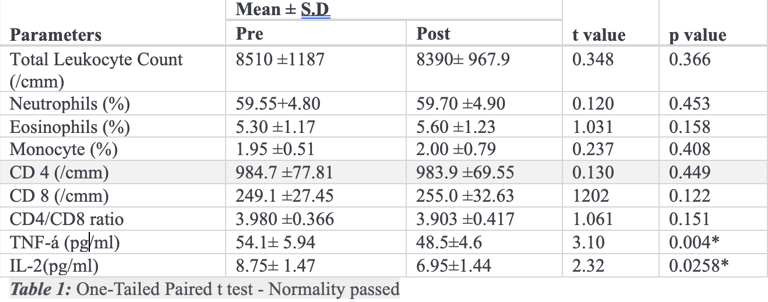
Spaceflight results in immunosuppression, likely due to neurohumoral factors released in response to intermittent stress during flight. However, no major non-physiological health problems have been reported during or following spaceflight; however, diseases resulting from immunosuppression could occur on long-duration missions and include bacterial, fungal, and viral infections, as well as an increased incidence of neoplasia and autoimmunity. Studies have shown impairment of cell-mediated, humoral, and innate immune variables in blood samples from astronauts who have flown a space mission. This study examined the immunological parameters in healthy adults before and after simulated microgravity. 20 healthy adult male volunteers were subjected to simulated microgravity for 6 hours using a dry flotation tank.
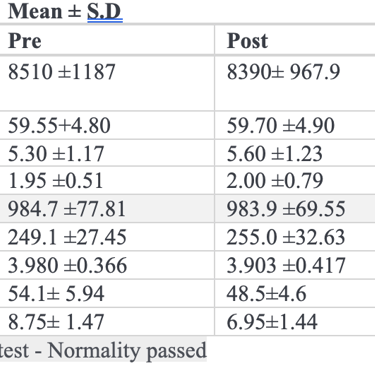
The immunological parameters were analysed using blood samples collected pre- and post-exposure to simulated microgravity. The parameters included: total leukocyte count, differential leukocyte count, CD4 count, CD8 count, CD4/CD8 ratio, and serum IL-2 (an adaptive immune cytokine) and TNF-α (an innate immune cytokine) levels. There was no statistically significant change in the CD4 count, CD8 count or CD4/CD8 ratio. However, there was a substantial reduction in serum TNF-α (p=0.004) and IL-2 (p=0.0258). This experiment showed a mild decrease in cell-mediated immunity and in cytokines involved in innate immunity. The paper further recommends possible countermeasures to reduce this problem and how to investigate a pilot with signs of immunosuppression systematically.
More details: https://indjaerospacemed.com/study-of-simulated-microgravity-on-immunological-parameters/
Gender Policy and Couple Astronauts: Confinement and Resilience Countermeasures in Deep Space Exploration By David W. Kim
How is Gender Policy for Future Astronauts?
Space science has been developed with a long-term perspective beyond missions in Earth orbit, the International Space Station (ISS) and Shenzhou. While space tourism is a commercial project, NASA’s SpaceX is considering innovative missions for the moon station and Mars in the 2030s. The major hazards of radiation, microgravity, distance from Earth and hostile environments will be technologically addressed for the biological and physiological safety of human spaceflight. However, prolonged isolation in space was not the key issue of past missions; nevertheless, it critically affected psychological and behavioural changes. How can we enhance future astronauts’ mental well-being? What methodology would be efficient for outer space travel? Are space agencies’ gender policies still valuable? If not, how can they be reconsidered in risk management?
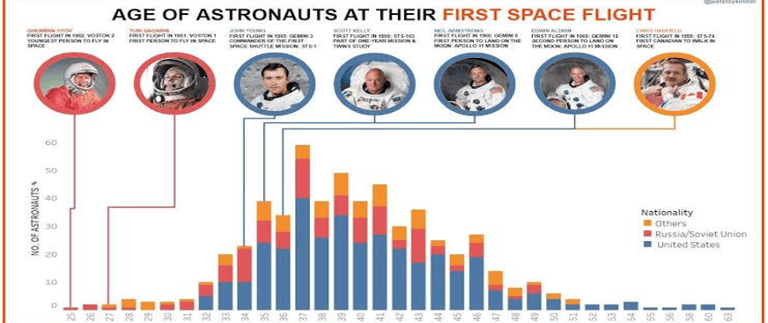
Since insecurity illogically leads to the internal circumstances of solitude, fear, anxiety, low morale, negativity, unwillingness and longing for family, this research explores the significance of spaceship community life in the context of gender equality. The physiological characteristics of future astronauts (around late twenties to early forties) are evaluated in relation to sexual nature for 2.5–3 years. The paper presents a feasible hypothesis that, in the secure systems of STEM and medical environments, applying the ‘couple astronaut theory’ could serve as an alternative countermeasure to enhance the resilience, safety, and success of deep space exploration.
https://informaticajournal.com/informatica/index.php/pdf/stream/AiEfx/1749354756
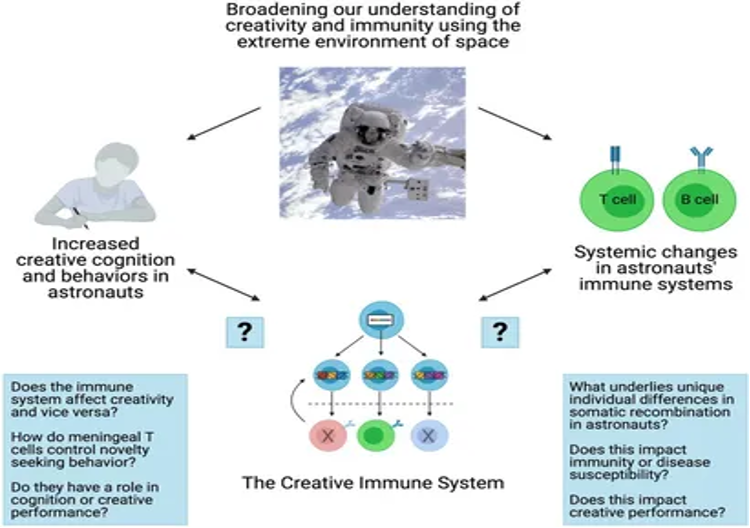
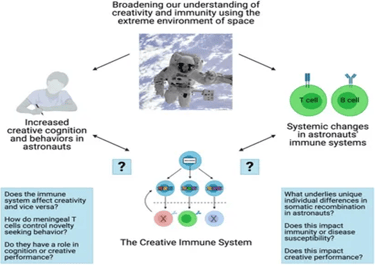
“How the Immune System Deploys Creativity: Why We Can Learn From Astronauts and Cosmonauts.” by Henderika de Vries and William Khoury-Hanold
In Front. Psychol. 12 (2021):582083. doi: 10.3389/fpsyg.2021.582083
The Immune System of Astronauts with Creativity
In this interdisciplinary article, the authors investigate the relationship between creativity and the immune system, the creative features of the immune system and how the immune system and its role in regulating homeostasis might be related to creative cognition. They argue that within a multivariate approach of creativity, the immune system is a contributing factor. New directions for research are also discussed. When astronauts and cosmonauts venture into the new and extreme environment of outer space, their immune system needs to instantly adapt and find new answers to survive biologically and psychologically. Many astronauts report interest in creative activities and therefore represent an interesting group to investigate creativity in relation to the immune system. Little is known regarding (1) how the immune system interacts with and supports creative cognition and behavior, (2) if an individual’s immune system, interacting with cognition, adapts more originally to a new environment compared to another’s; in other words, if there is creativity in the domain of the immune system, and (3) the creative properties and functions of the immune system itself.
Given that the concepts of creativity and the immune system might not be familiar to those who study one but not the other, this paper begins by defining these concepts. Next, the authors argue that these seemingly lightyear distant concepts are actually closer than previously thought. They will discuss the connections between illness, the immune system and creativity and propose that the essence of illness is the experience of Unheimlichkeit, which is the sense of “uncanniness” or “unhomelikeness” in one’s own body and in the world (Svenaeus, 2000). Finally, the paper extends the framework of Unheimlichkeit to the extreme environment of space and discusses what can be learnt about creativity from astronauts.
https://www.frontiersin.org/journals/psychology/articles/10.3389/fpsyg.2021.582083/full
News and Events
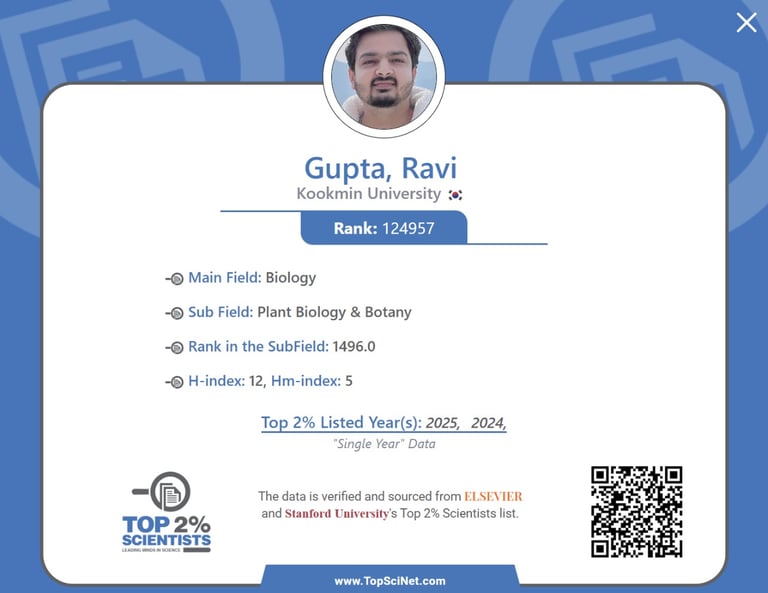
Dr. Ravi Gupta Recognized Among Top Biology Scholars Worldwide
We are pleased to share that Dr. Ravi Gupta, one of our founding members, has been recognized as one of the top 2% scholars in biology worldwide for both 2024 and 2025. This recognition, based on citation metrics and research impact analysis, acknowledges researchers who have made meaningful contributions to their fields.
The ranking evaluates scientists based on their scholarly work and its influence within the research community. Dr. Gupta's inclusion reflects his consistent dedication to advancing biological research and his commitment to scientific inquiry over the course of his career.
.https://topscinet.com/scientist_profile/Gupta,%20Ravi/2012/?stype=single_year
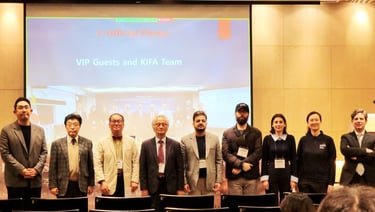
KIFA SPACE FORUM 2025
Space Exploration, Astronaut, and Space Industries
We would like to express our sincere appreciation to:
Professor Kim Tu Hwan, Founding Director of the Institute for Korea Astronomy and Space Science, for his insightful address
Professor Kim Kyu-Sung, President of the National Association for Space Medicine (NASM), for his valuable contributions
Professor David William Kim, Director of KIFA, for his inspiring talk and organisation of the Forum.
We are grateful for the thoughtful discussions and collaborative spirit demonstrated throughout the forum.
Special thanks to Emily Min for hosting the event; Dr Tara Smith, Dr Kozma Kim, and Dr Stella Choi for the organisation; and Dr Wesley Smith, Dr Ashok Narayanamoorthi, Dr Henderika de Vries, Anderson Wilder, Prof. Do-youn Lee, Prof. Barrett Caldwell and Zainab Jamil for their presence and continued support.
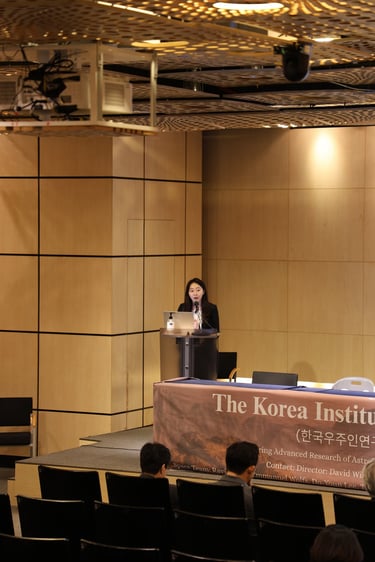
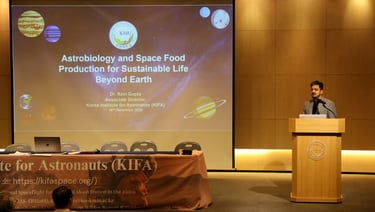
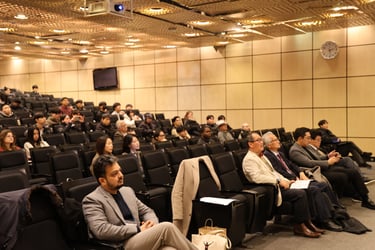
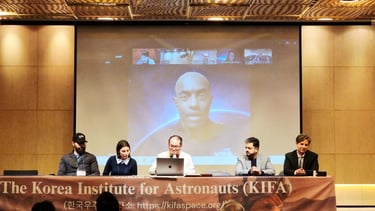
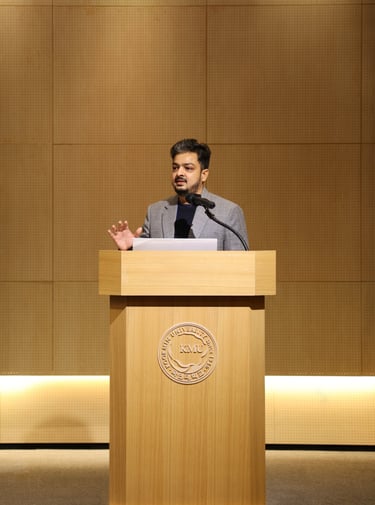
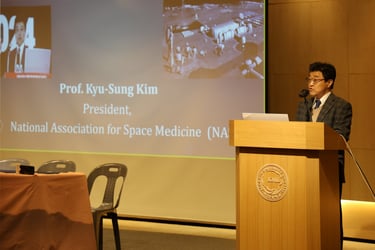
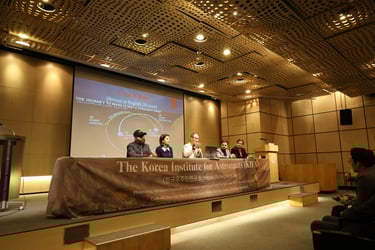
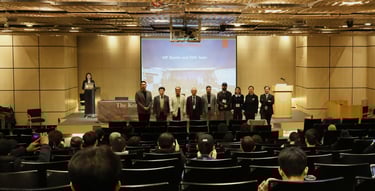
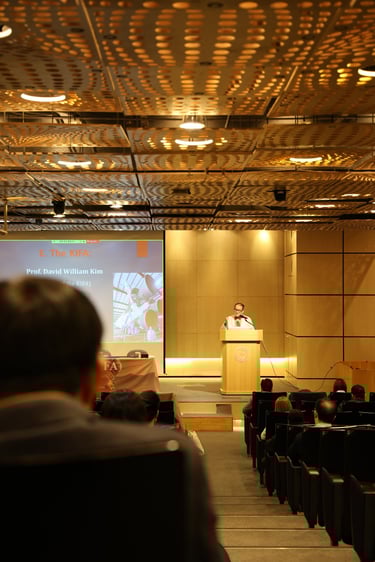
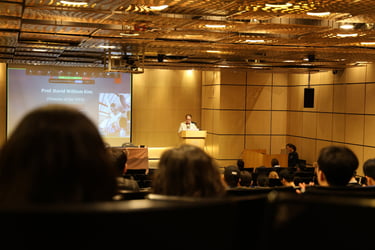
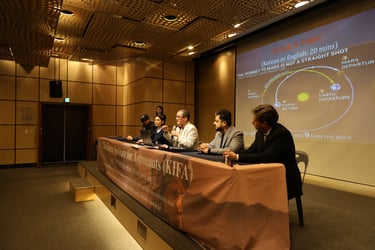
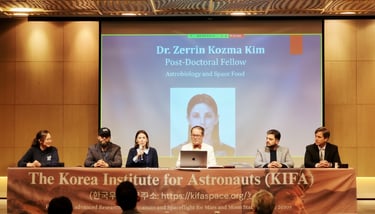
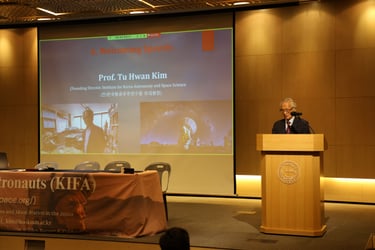
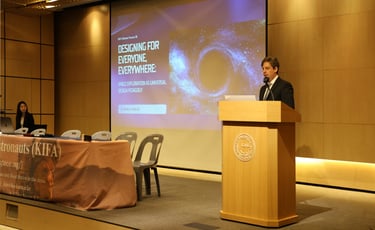
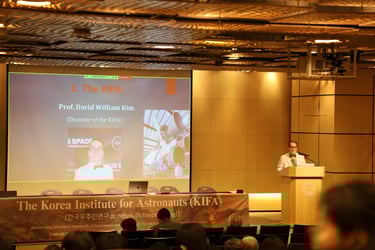
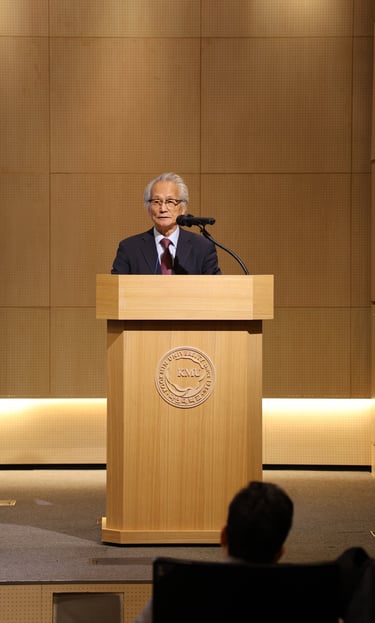


We are pleased to announce that our academic forum "Space Exploration, Astronauts, and the Space Industry" was successfully held on December 16, 2025. We extend our heartfelt gratitude to all attendees who joined us in person and to our overseas KIFA members who joined us online for this enriching discussion at the intersection of space science and design.
As we continue to advance Korea's role in space exploration, we look forward to expanding the KIFA network and fostering further interdisciplinary collaboration in this exciting field.
The forum featured two keynote speakers:
Professor Ravi Gupta: "Astrobiology and Space Food Production for Sustainable Life Beyond Earth"
Professor Emmanuel Wolfs: "Designing for Everyone, Everywhere: Space Exploration as Universal Design Pedagogy"
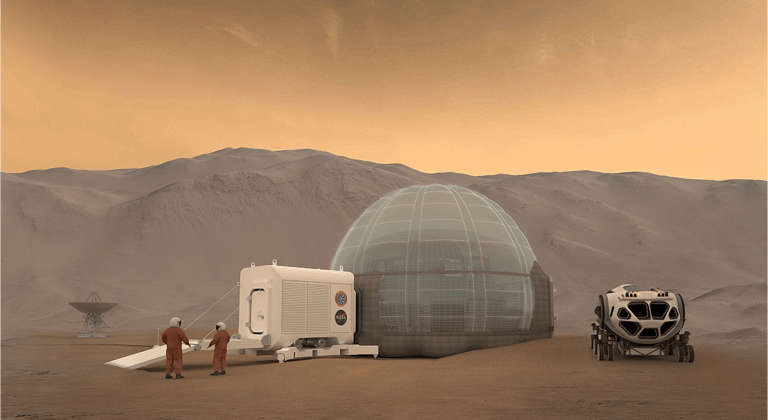
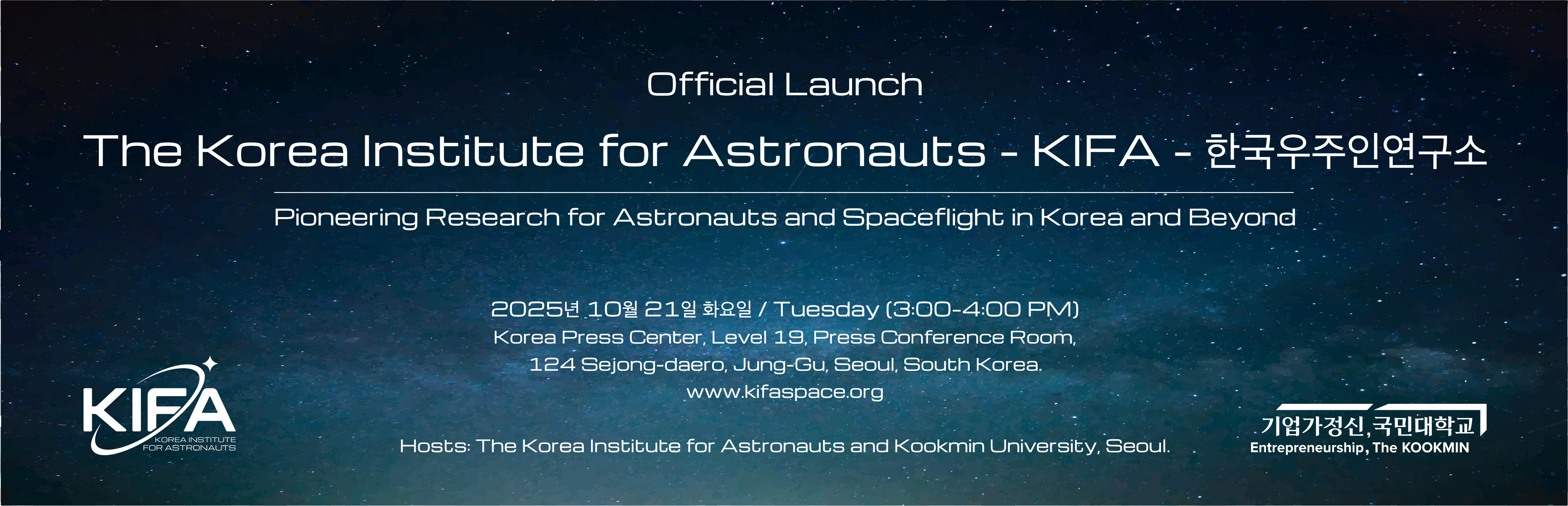
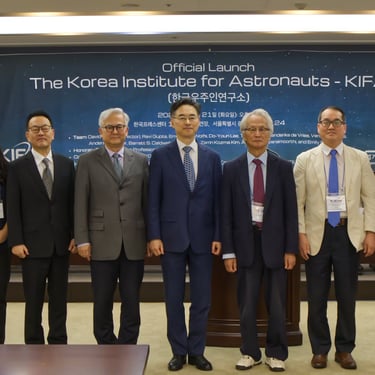
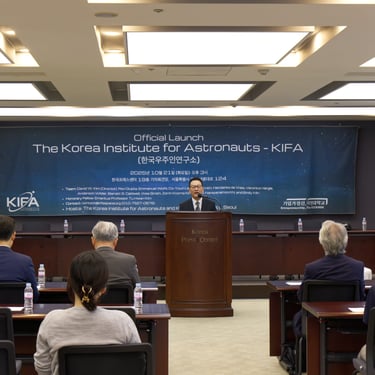
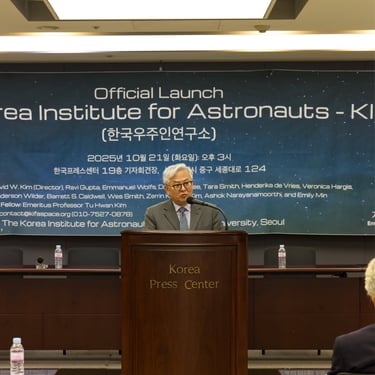
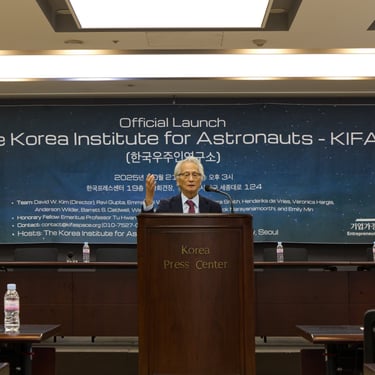
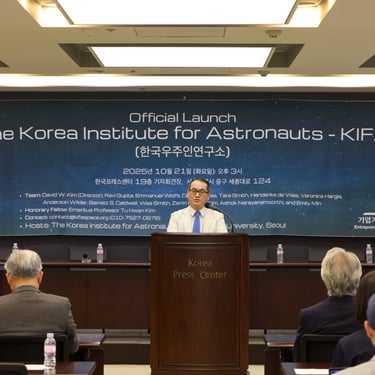
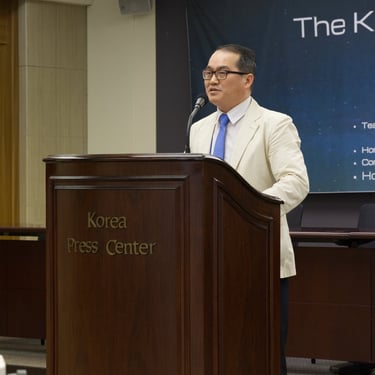
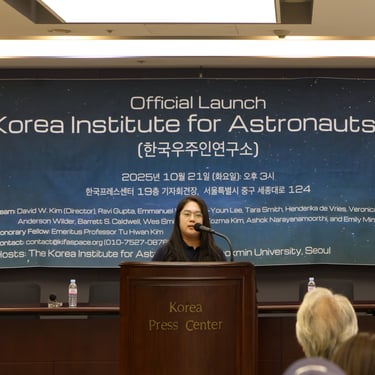
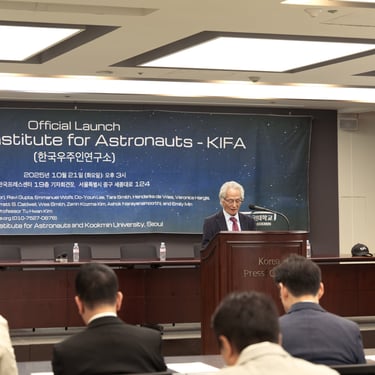
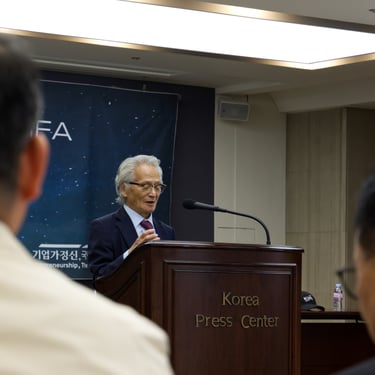
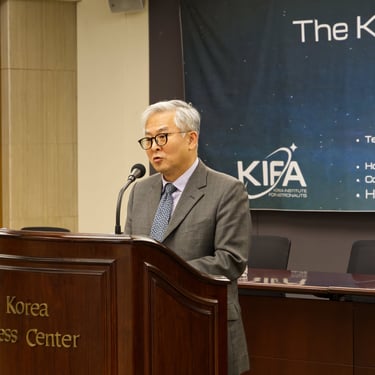
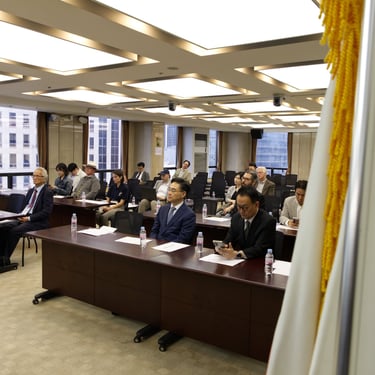
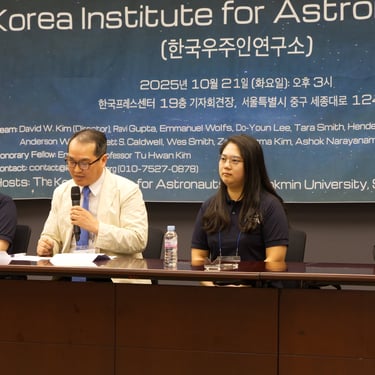
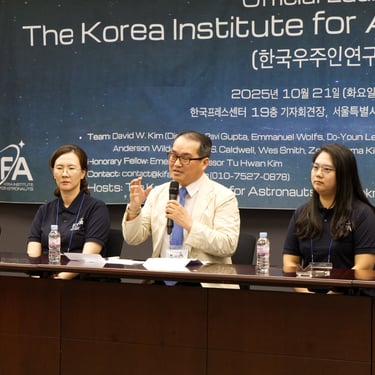
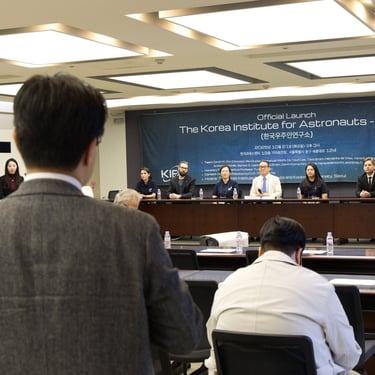
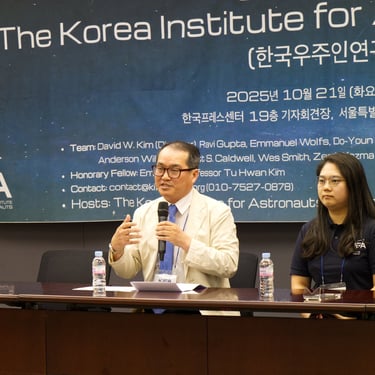
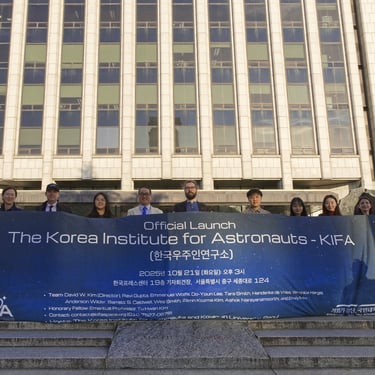
The Korea Institute For Astronauts (KIFA) officially launched on Tuesday, October 21, 2025, at the Korea Press Centre in Seoul, marking a significant milestone in South Korea's commitment to advancing human spaceflight research. The launch event brought together distinguished scholars, researchers, and space exploration advocates from across the globe, signalling strong international interest in South Korea's expanding role in space research.
The ceremony featured inspiring addresses from leading figures in academia and space research. Professor Kim Do-Youn, Vice President of Kookmin University, delivered opening remarks highlighting the institute's strategic importance to South Korea's scientific future. Emeritus Professor Kim Tu-Hwan, one of South Korea's most senior and respected scholars in space research, shared insights from decades of pioneering work in the field. Professor Ghada Alsaleh from the University of Oxford provided an international perspective on collaborative space research opportunities, while Director David William Kim and Co-Director Lee Do-Youn outlined KIFA's vision and research priorities for pioneering work in human spaceflight. The event was expertly presented by Emily Min.
The launch demonstrated KIFA's international reach, with participation from researchers across multiple continents. In-person attendees included KIFA Co-Director Emmanuel Wolfs, and fellow researchers Stella Setbyoul Choi, Wesley C. Smith, and Zerrin Kozma Kim. Joining virtually were o-Director Ravi Gupta, and researchers Tara Smith from Australia, Henderika de Vries from Luxembourg, Anderson Wilder and Barrett S. Caldwell from the United States, and Ashok Narayanamoorthi from India.
The institute has already garnered significant attention from corporations and research institutions worldwide, eager to collaborate and contribute to advancing space research capabilities in South Korea. KIFA's establishment positions South Korea as an emerging hub for human spaceflight research and international collaboration.
KIFA in the Press
Universities to support Korea’s lift-off as space leader
by Yumi Jeung
University World News, 02 December 2025


KIFA forum raises fresh hope for Korea’s astronaut future
By John Okeke
The Authority, December 17, 2025


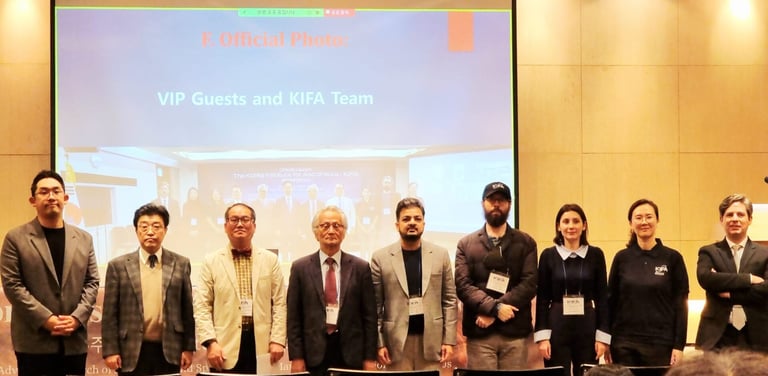
Beyond the Earth: Professor Kim’s Quest to Shape Korea’s Space Science Future
By Bae Sung-Won
The Kookmin Review 2025.09.08