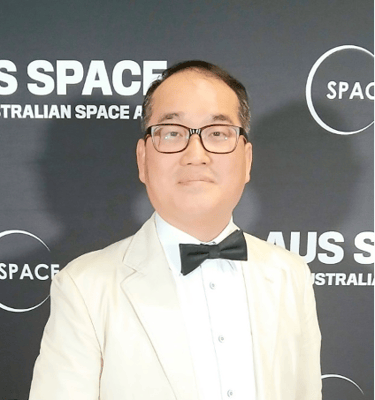

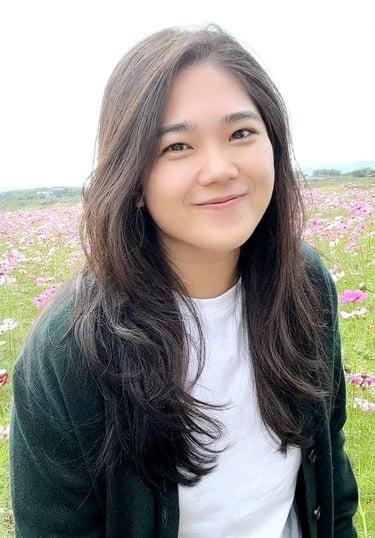


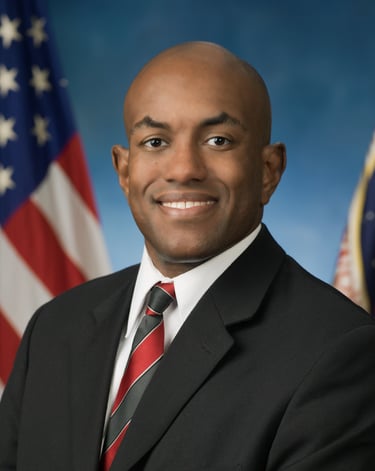








Prof. David William Kim (FRAS, FRHistS)
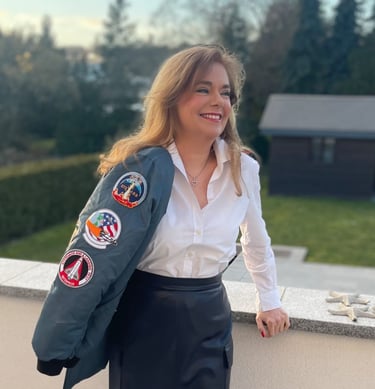
David W. Kim, PhD (Syd), is Professor of Human Research and Space History at Kookmin University, South Korea. He is also a Missional Specialist at the Institute for Space, Australian National University (ANU), Canberra, an Affiliated Researcher at King’s College London, UK, and a Former Visiting Scholar at HDS, Harvard University, USA (2023–2024). Dr. Kim served as an Official Judge for the NASA Human Research Program IWS 2024 and 2025 in Houston. He is a Fellow of the Royal Historical Society (UK) and the Royal Asiatic Society (UK), an Editor for the Brill Handbook Series on Contemporary Religions (Netherlands), and the Editor of the East Asian Religions and Culture Series (Cambridge Scholars Publishing, UK). Additionally, he is a Committee Member for UNESCO World Heritage, Korea Government (2021-present)
Experience
Position title
Founder and Director, The Korea Institute for Astronauts (KIFA), Seoul, Korea.
Research Focus
Prof. Kim leads cutting-edge research on human space exploration, focusing on the deep space environments of Moon and Mars missions. He drives strategic partnerships, fosters international collaboration, and champions innovative projects to ensure astronaut safety, well-being, and long-term sustainability. His interdisciplinary research covers astronaut selection and training, psychological countermeasures, space policy, emergence and risk management, trauma and addiction, space history, space animals, couple astronauts, gender policy, and space time management.
Selected Publications (12 books and 92 peer-reviewed articles)
- “Yoga and Meditation in the Private Sphere of Astronauts: Non-Pharmaceutical Measures of Resilience in Social Isolation and Confinement.” Informatica Journal 35(11), (2025)
- “Gender Policy and Couple Astronauts: Confinement and Resilience Countermeasures in Deep Space Exploration,” Informatica Journal 35(9), (2025) https://doi.org/10.59671/Qo65z.
- “From Experimental Animal to Companion: Astronaut’s Behavioural Health and Resilience for Mars Exploration.” Informatica Journal 34(11), 2024. https://doi.org/10.59671/Qo65z
- “Astronaut Selection and Potential Risk Management: Psychological Trauma and Resilience for Mars Space Mission.” Trames: Journal of the Humanities and Social Sciences 28 (78/73), 3, (2024), 21-236. https://doi.org/10.3176/tr.2024.3.01
- “Psycho-Religious Experiences in Deep Space History: Astronaut’s Latent Countermeasures for Human Risk Management” Aerospace 10, no. 7: 626. https://doi.org/10.3390/aerospace10070626 (2023).
- “Mars Space Exploration and Astronautical Religion in Human Research: Psychological Countermeasures of Long-term Astronauts.” Aerpspace 2022, 9(12), 814; https://doi.org/10.3390/aerospace9120814
- Religion in Modern Education: Conflict, Economics, and Politics (Leiden and New York: Brill, 2025-2026)
- Silk Road Footprints: Transnational Transmission of Sacred Thoughts and Literature. (Delaware, USA: Vernon Press: 2025)
- Environmental Hope: Socio-Anthropological Approaches to Religion (Lanham, Maryland, Lexington: 2024)
- Sacred Sites and Sacred Stories Across Cultures: Transmission of Oral Tradition, Myth, and Religiosity. (London: Palgrave Macmillan, 2021)
- The Words of Jesus in the Gospel of Thomas: The Genesis of a Wisdom Tradition. (London and New York, Routledge, 2021).
- New Religious Movements in Modern Asian History: Socio-Cultural Alternatives. (Lanham, Boulder, New York and London: Lexington Books, 2020)
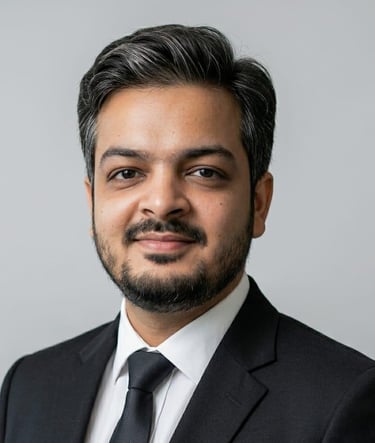
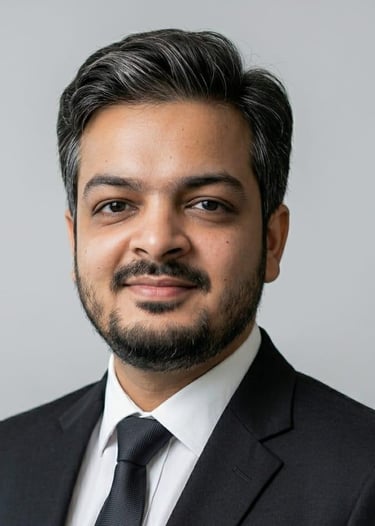
Dr. Ravi Gupta (MRSB)
Ravi Gupta is an Assistant Professor at Kookmin University, Seoul, South Korea. He earned his Ph.D. in Plant Physiology and Biochemistry from the University of Delhi, India, and has over five years of experience as a postdoctoral fellow and Research Professor at Pusan National University, Busan, Korea. Dr. Gupta is an accomplished researcher with more than 150 scientific publications, collectively boasting a cumulative impact factor exceeding 720. He has also edited four books and is a member of the Royal Society of Biology. In recognition of his significant scientific contributions, Dr. Gupta was named among the Elsevier/Stanford Top 2% Scientists Worldwide in 2024. He serves as an Editorial Board member for several renowned journals. He has received numerous prestigious national and international awards, including the Ramalingaswami Re-entry Fellowship and Ramanujan Fellowship from the Government of India, and the Brain Pool Fellowship from the Government of South Korea. He has also been a participant in the New Phytologist Next Generation Scientists Meeting in Norwich, UK, and the 10th MaxQuant Summer School organized by the Max Planck Institute of Biochemistry, Germany.
Experience
Position title
Associate Director, The Korea Institute for Astronauts (KIFA), Seoul, Korea.
Research Focus
My research research primarily focuses on elucidating the role of phytohormones and emerging plant growth regulators in modulating plant growth and development under both optimal and adverse environmental conditions. I aim to gain a deeper understanding of the physiological responses of plants to various biotic and abiotic stresses by integrating proteomic, biochemical, and physiological approaches. A key aspect of my work involves the development and implementation of advanced techniques to enhance the detection of low-abundance proteins, thereby enabling comprehensive analysis of the “hidden proteome” and post-translationally modified peptides. This integrated research framework is designed to uncover novel molecular mechanisms underlying plant adaptation and resilience.
Selected Publications (152 research articles and 4 books)
1. Gupta R* (2025) Saponins as double-edged swords in plant–fungal interactions. Trends Plant Sci. 30 (1): 4-6 (Impact Factor 20.8)
2. Gupta R* (2025) Cysteine modifications as molecular switch governing salicylic acid biosynthesis in systemic acquired resistance. J. Integr. Plant Biol. Accepted (Impact Factor 9.3)
3. Kushwaha A, Singh S, Zheng BS, Tripathi DK, Gupta R**, Singh VP (2025) MpRR-MYB2 and MpRR-MYB5: New players of chloroplast biogenesis. J. Integr. Plant Biol. Accepted (Impact Factor 9.3)
4. Riyazuddin R, Nisha N, Gupta R* (2025) Phytonanotechnology in the mitigation of biotic and abiotic stresses in plants. Plant Nano Biol. 100173 (Impact Factor 7.7)
5. Jaiswal S, Singh S, Tripathi DK, Gupta R**, Singh VP (2025) A novel plant tissue that controls seed size. Trends Plant Sci. Accepted (Impact Factor 20.8)
6. Gupta R* (2025) Assembly dynamics of OsCBSX3 regulates H2S biosynthesis and the concurrent growth-defense tradeoff in rice. J. Plant Growth Reg. Accepted (Impact Factor 4.4)
7. Gahlowt P, Singh S, Singh SP, Zheng BS, Tripathi DK, Gupta R*, Singh VP (2025) Reactive oxygen species in the activation of plant immunity. Physiol. Plant. 177 (3), e70296 (Impact Factor 3.6)
8. Shukla K, Nikita, Ahmad A, Noorani MS, Gpta R* (2025) Phytohormones and emerging plant growth regulators in tailoring plant immunity against viral infections. Physiol. Plant. Accepted (Impact Factor 3.6)
9. Min CW, Jang JW, Yoo JS, Lee GH, Kim YJ, Gupta R**, Kim ST (2025) Identification of HSP70 as a key regulator of MSP1-induced signaling in rice. J. Plant Growth Reg. Accepted (Impact Factor 4.4)
10. Maurya AK, Agarwal R, Gupta R* (2025) Unraveling the crosstalk among ethylene, nitric oxide, and polyamines in tailoring the abiotic stress resilience in plants. Stress Bio. 5 (1), 20 (Impact Factor 5.8)
11. Sakamoto Y, Fujii N, Shibato J, Gupta R, Min CW, Kim ST, Bakku RK, Rakwal R (2025) Exploration of interstitial fluid proteome in Homo sapiens forearm through a cutting edge intradermal microdialysis and high-throughput proteomics approach: a pilot study. Discov. Appl. Sci. 7 (2), 1-15 (Impact Factor 2.8)
12. Jaiswal S, Tripathi DK, Wang Y, Singh VP, Gupta R* (2024) ABLs and transmembrane kinases shape extracellular auxin perception. Trends Plant Sci. 29 (11): 1162-1164 (Impact Factor 20.8)
13. Gahlowt P, Singh S, Gupta R, Zheng B, Tripathi DK, Singh VP (2024) Arsenite in plant biology: How plants tackle it? Plant Physiol Biochem. 109332 (Impact Factor 5.7)
14. Wei L, Sun Y, Wan Y, Gao S, Kim ST, Gupta R, Wang Y (2024) Bacterial co-fermentation mediated synthesis of chitosan from Procambarus clarkii enhances disease resistance in rice. Carbohydr. Polym. Technol. Appl. 8, 100571 (Impact Factor 6.5)
15. Ma J, Wei L, Huang K, Wang D, Gao J, Chen X, Guo H, Gao S, Zhang M, Li S, Yu C, Zhao J, Wu J, Gu Q, Kim ST, Gupta R, Xiong G, Lo C, Liu Y, Wang Y (2024) Biosynthesis of sakuranetin regulated by OsMPK6-OsWRKY67-OsNOMT cascade enhances resistance to false smut disease. New Phytol. 245 (3): 1216-1231 (Impact Factor 8.1)
16. Jaiswal S, Singh SP, Singh S, Gupta R, Tripathi DK, Corpas FJ, Singh VP (2024) Hydrogen Sulphide: A key player in plant development and stress resilience. Plant, Cell Environ. 48 (3): 2445-2459 (Impact Factor 6.3)
17. Gupta R*, Péter P, Wang Y, Kim ST (2024) Role of phytohormones and plant‐growth regulators in the regulation of plant immunity. Physiol. Plant. 176 (6), e14599 (Impact Factor 3.6)
18. Kushwaha A, Zheng BS, Tripathi DK, Gupta R**, Singh VP (2024) B4 RAF-like kinases: players of rapid auxin response in algae and plants. Plant Growth Reg. 1-5 (Impact Factor 4.4)
19. Singh K, Gupta R, Shokat S, Iqbal N, Kocsy G, Pérez‐Pérez JM, Riyazuddin R (2024) Ascorbate, plant hormones and their interactions during plant responses to biotic stress. Physiol. Plant 176 (4), e14388 (Impact Factor 3.6)
20. Roychowdhury R, Mishra S, Anand G, Dalal D, Gupta R, Kumar A, Gupta R* (2024) Decoding the molecular mechanism underlying salicylic acid (SA)-mediated plant immunity: an integrated overview from its biosynthesis to the mode of action. Physiol. Plant. 176 (2), e14270 (Impact Factor 3.6)
21. Gahlowt P, Tripathi DK, Singh SP, Gupta R**, Singh VP (2024) Blue light perceiving CRY proteins: protecting plants from DNA damage. Plant Cell Rep. 43 (6), 161 (Impact Factor 4.5)22. Gupta R*, Tripathi DK, Singh VP (2024) Unlocking a ‘lock–key’ mechanism governing pollen–pistil interactions. Trends Plant Sci. 29, (4), 394-396 (Impact Factor 20.8)
23. Gupta R, Kaushik N, Negi M, Kaushik N, Choi EH (2024) Molecular insights: Proteomic and metabolomic dissection of plasma-induced growth and functional compound accumulation in Raphanus sativus. Food Chem 435, 137548 (Impact Factor 8.8)
24. Kaushik N, Gupta R#, Negi M, Kaushik A, Kim JH, Choi EH, Kaushik NK (2024) Integrating cutting-edge plasma technology for environmentally friendly smart horticulture: A proteomics approach. Appl. Mater. Today 37, 102142 (Impact Factor 6.9)
25. Zhao X, Wang Y, Yuan B, Zhao H, Wang Y, Tan Z, Wang Z, Wu H, Li G, Song W, Gupta R, Tsuda K, Ma Z, Gao X, Gu Q (2024) Temporally-coordinated bivalent histone modifications of BCG1 enable fungal invasion and immune evasion. Nat. Commun. 15 (1), 231 (Impact Factor 15.7)
#Co-first author; Corresponding author; *Co-Corresponding author
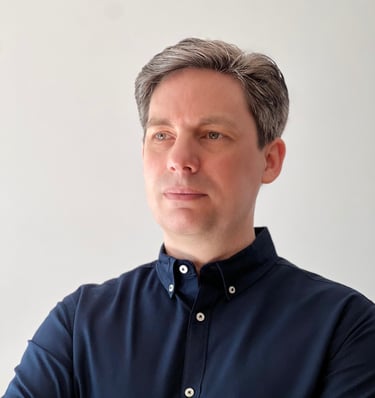
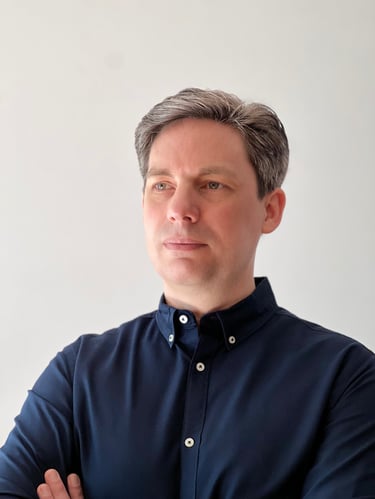
Prof. Emmanuel L.M. Wolfs
Emmanuel Luc Marie Wolfs is Professor of Industrial Design at Kookmin University, where he has been teaching since 2012. Born in Brussels, he holds master's degrees from both the Royal College of Art in London (MA Design Products, 2004) and E.N.S.A.V. La Cambre in Brussels (MA Industrial Design, 2002).
He co-directs the design studio Wolfs + Jung and has previously taught at the Central Academy of Fine Arts in Beijing. His research focuses on sustainable design practices, Universal F=Design and IoT product experiences.
His design work has been exhibited internationally, including at Design Miami, Gwangju Design Biennale, and galleries in New York, London, Paris and Cologne. He also serves as a jury member for various design awards, including the Good Design and K-design Award in Korea.
Position title
Associate Director, The Korea Institute for Astronauts (KIFA), Seoul, Korea.
Research Focus
As part of his work with the Institute, Professor Wolfs applies his design expertise to the unique challenges of space exploration. His research focuses on developing universal design principles for space environments, ensuring that diverse astronaut populations can effectively use equipment and interfaces under the extreme conditions of spaceflight.
His work in cognitive ergonomics investigates how astronauts interact with complex systems during missions, aiming to reduce cognitive load and enhance decision-making in high-stress environments. This research directly contributes to mission safety by designing interfaces and protocols that minimise human error and improve crew performance during critical operations.
Professor Wolfs also investigates behavioural design approaches that support astronaut well-being and team dynamics during long-duration missions. Drawing on his background in sustainable design, he explores how to develop closed-loop systems and resource-efficient solutions that are vital for extended space exploration, especially for future Moon and Mars missions.
Experience
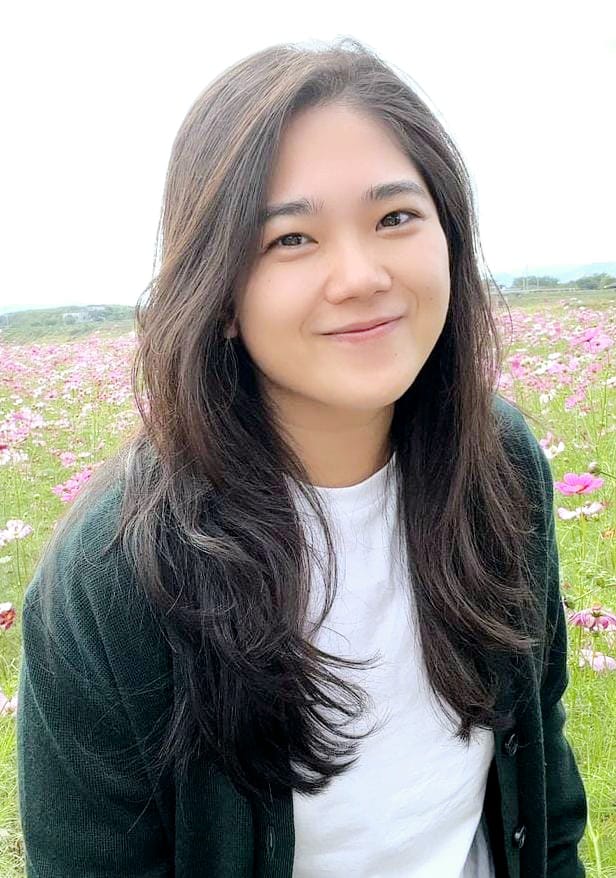
Dr. Do-Youn Lee
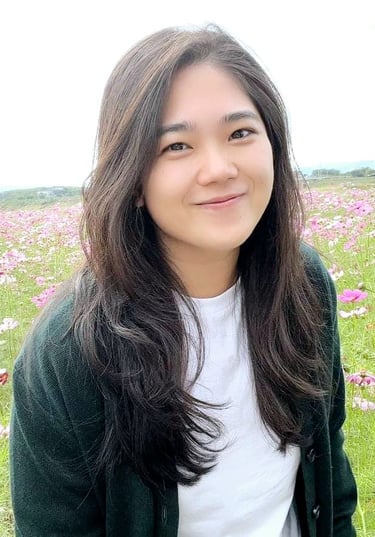
Prof. Do-Youn Lee is an Assistant Professor at the College of General Education, Kookmin University, Seoul, Korea. She is a leading researcher in human performance and neuromechanical adaptation, with a strong background in public health epidemiology, physical therapy, and aging-related functional decline. Her prior work has focused on sarcopenia, osteopenia, pulmonary diseases, and musculoskeletal dysfunction using large-scale epidemiological datasets such as the Korean National Health and Nutrition Examination Survey.
Currently, she is expanding her expertise into space human research, focusing on neuromechanical control and predictive modeling of astronaut movement and rehabilitation. Her multidisciplinary approach combines sensor technology, biomechanics, AI-based modeling, and real-time exercise feedback systems to optimize musculoskeletal performance in microgravity environments.
Experience
Position title
Associate Director, The Korea Institute for Astronauts (KIFA), Seoul, Korea.
Research Focus
Dr. Lee's work aims to contribute to astronaut safety, mobility, and operational readiness through evidence-based neuromechanical modeling and rehabilitation strategies. Her research bridges the gap between terrestrial rehabilitation and space countermeasures, providing scalable digital twin frameworks and automation solutions for space missions and future lunar or Martian habitats.
Selected Publications (61 research articles and 3 books)
1. Goo, M.-R., Jun, D.-H., & Lee, D.-Y. (2025). Dynamic cycle of low back pain: A 17-year, population-based study analyzing the National Health Insurance Service data in South Korea. Medicina, 61(5), 782.
2. Lee, D.-Y. (2025). Prevalence and associated factors of dynapenia, pre-sarcopenia, and sarcopenia in Korean adults: A cross-sectional epidemiological study. Medicina, 61(4), 575.
3. Lee, D.-Y. (2025). Association between chronic obstructive pulmonary disease and low muscle mass in Korean adults. Journal of Clinical Medicine, 14(4), 1134.
4. Lee, D.-Y. (2025). Rheumatoid arthritis prevalence and risk factors in Korean adults: A focus on age and sex differences. Medical Sciences, 13(1), 17.
5. Lee, D.-Y. (2024). Prevalence and risk factors for hand-grip-determined dynapenia in the Korean population: A cross-sectional study. Sports, 12(7), 187.
KIFA Core Research Focus Areas
Neuromechanical Control in Microgravity
Analyze postural instability and motor variability under altered gravity
Investigate muscle activation strategies during task-specific movements in space
Develop exercise countermeasures for musculoskeletal preservation
Predictive Modeling of Movement Outcomes
Use large-scale biomechanical datasets and AI to predict motor decline
Personalize astronaut training before, during, and after spaceflight
Sensor-Based Real-Time Movement Analysis
Utilize wearable sensors (e.g., EMG, IMU) to monitor fatigue and movement quality
Create adaptive feedback systems integrated into space habitats
Digital Twin Simulation for Adaptive Rehabilitation
Build individualized digital twins based on neuromechanical profiles
Simulate intervention strategies before mission deployment
Automated In-Flight Exercise and Rehabilitation Systems
Develop intelligent systems with feedback loops for posture correction and exercise control
Enable autonomous physical rehabilitation without human supervision
Dr. Tara B. M. Smith
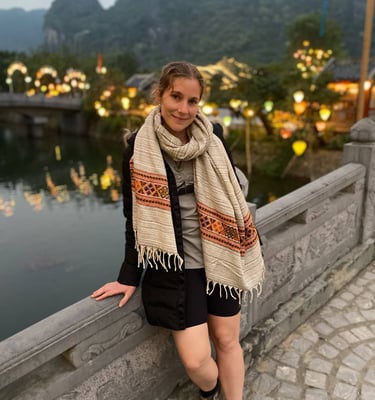
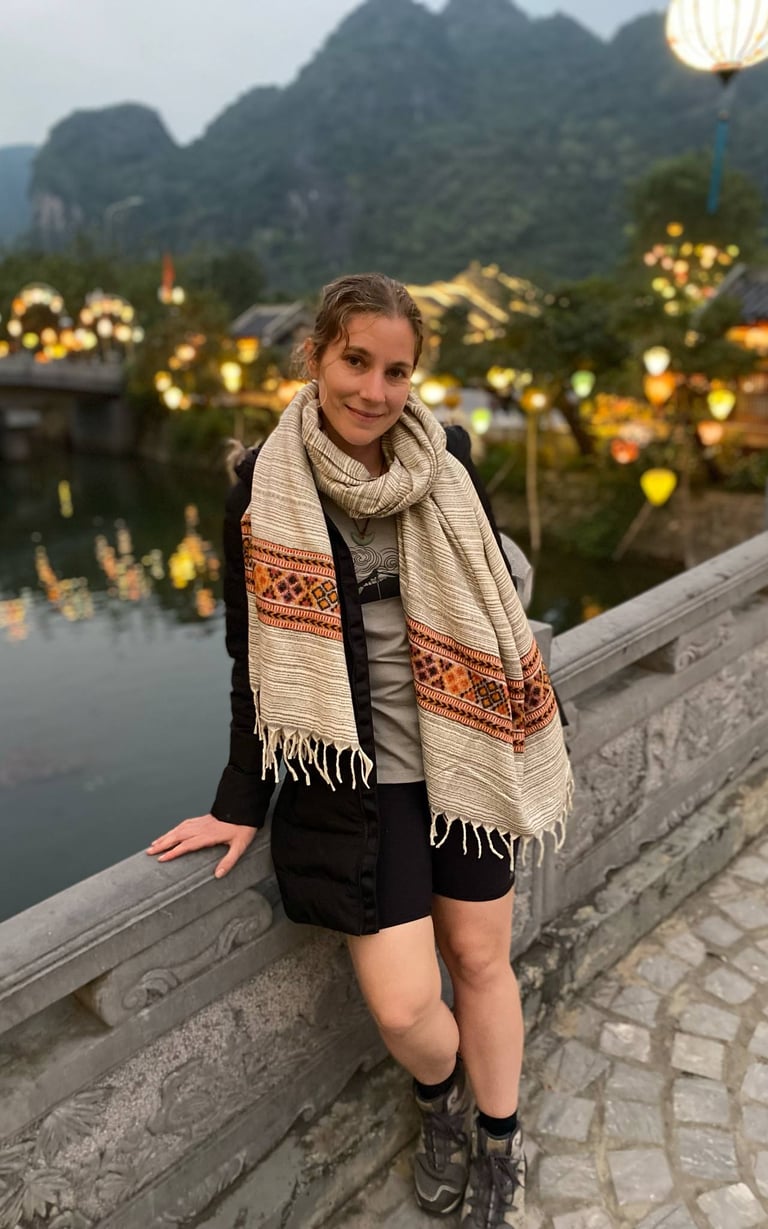
Dr Tara B. M. Smith is an early career interdisciplinary academic who works in the fields of science fiction, literature, religion, cognition and popular culture. Tara is a research associate at the Leverhulme Centre for Humanity and Space at Leicester University. In 2024, she completed a Postdoctoral fellowship (2023-2024) at the Center for the Study of World Religions at the Harvard Divinity School, Boston, writing on religious ideas and experiences of people who paint and play within the science fiction “grim dark” universe of Warhammer 40,000. Tara’s doctoral thesis, completed at the University of Sydney, Australia (2022), explored the role of science fiction in promoting positive social change and is currently accepted as a monograph in the series Constructing Knowledge: Curriculum Studies in Action with Brill. Her other current monograph is on New Religious Movements as Expressed in Science Fiction and is expected to be published in 2025. When Tara is not studying, she spends time with her two cats, Thomas and Momo and fiancé Luke.
Her research blends ethnographic methods with critical theory and has been featured in various academic journals.
Experience
Position title
Project Manager, The Korea Institute for Astronauts (KIFA), Seoul, Korea.
Research Focus
Tara’s research investigates the mental health and spiritual needs of astronauts with a focus on embodiment, imagination, and play. She contributes to the design of psycho-social countermeasures and analog experiments that explore how symbolic worldbuilding practices (e.g. tabletop gaming, spiritual ritual, narrative immersion) may support astronaut resilience during long-duration missions. Her work focuses on how speculative genres and analog subcultures help individuals navigate an increasingly automated and ecologically unstable world. She is particularly interested in gaming cultures, psychological flow, and spiritual experience. A current area of research interest is the design of a new religious framework to support the psychological and emotional well-being of astronauts on long-duration missions to Mars.
Tara is co-authoring a speculative research paper titled "The Religion of Venus: A Science Fictional Argument for A New Religion on Mars" with David W. Kim. This paper explores the conceptualisation and implementation of a novel religious framework tailored for astronauts undertaking interplanetary journeys. Drawing on science fiction works such as Stranger in a Strange Land, Dune, and The Mars Trilogy, the project argues that deliberately constructed spiritual practices may play a crucial role in astronaut cohesion and resilience on long-duration space missions.
Selected Publications
• 2025 “Drowning in the Pacific: Climate Change, the Apocalypse and the Future of Australia”. Literature and Aesthetics, 34 no. 3 (2025): 84-96.
• 2025 “Miniature Mindfulness: Finding Spiritual Flow with Warhammer 40,000 Figurines”. Religions. Religions 2025, 16.2 (2025): 1-20.
• 2024 “The Ox’s Tail: Reading Frank Herbert’s Dune as a Zen Buddhist Koan” in Journal for the Academic Studies in Religion. Special issue on (Non)Religion, Spirituality and Ecological Politics, 37.3 (2024): 320-238.
• 2024 “Blood for the Blood God!” - Engaging with Gods and Religion in the Warhammer 40K Universe””. Emerging Voices in the Field, Gamenvironments no. 20 (2024).
• 2021 “The Anthropocene in Frank Herbert’s Dune Series”, Foundation 140, 50.3 (2021): 62-74.
Henderika de Vries, PhD
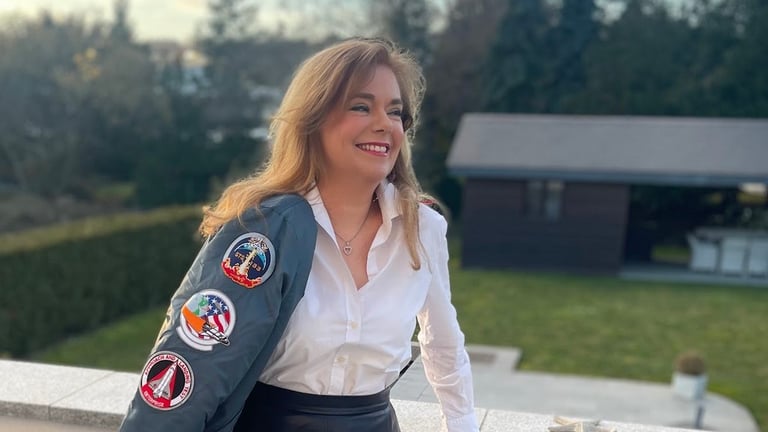
Henderika de Vries, PhD, received her PhD from the University of Paris-Sorbonne Cité. She is also an International Space University alumni and an award-winning researcher in the domain of creative performance. As former Fulbright scholar, she was a research scientist at Yale University, at the ‘Yale Center for Emotional Intelligence’. Fluent in 5 languages, she once worked for the late Prof. Geert Hofstede, world-renowned for his research on cultural differences. Dr. de Vries regularly presents at international conferences, is a Guest lecturer in several Universities (eg, the Sorbonne University, Université Paris-Descartes, University of Ohio) and has published numerous peer-reviewed articles and book chapters. She edited and co-wrote a book on astronauts’ creative performance. Besides her research interests, Dr. de Vries has extensive experience in leading wellbeing projects for more than 30,000 students in international environments. She works for the University of Luxembourg and the Luxembourg Ministry of Education, leading scientific projects. She further participated in a UNESCO initiative for ‘Innovation in Education for a Sustainable World’. Dr. de Vries is National Correspondent of the European Council for High Ability (ECHA) and Founder of the Special Interest group on creativity and giftedness. She is also a member of the Space for STEAM working group of the International Academy of Astronautics (IAA).
Experience
Position title
Research Fellow, Korea Institute for Astronauts (KIFA).
Research Focus
Dr. de Vries’s innovative research is at the forefront of creativity research. She initiated the new research domain of creativity in extreme human environments and published the first book on astronauts’ creative performance. She carried out multiple research projects on astronauts’ creative performance in analogue space environments. In her research, she specifically focuses on cultural differences and the role of emotions. Furthermore, her interest lies in investigating how creative performance can contribute to the well-being of astronauts during deep space travel.
Selected Publications
• De Vries, H., Welch, C., Hatamleh, O., eds. (2021). Creative Performance in Extreme Human Environments: Astronauts and Space. Lausanne: Frontiers Media SA. doi: 10.3389/978-2-88971-097-3
• De Vries, H. (2021). Editorial Creativity in Extreme Human Environments: Astronauts and Space. Frontiers Media S.A. https://doi.org/10.3389/fpsyg.2021.709676
• De Vries, H., Khoury-Hanold. W. (2021). How the Immune System Deploys Creativity: Why we can learn from Astronauts and Cosmonauts. Frontiers in Psychology Journal. Frontiers Media S.A. doi: 10.3389/fpsyg.2021.582083
• De Vries, H. (2021). Space: Astronauts and Creativity. In: Glăveanu V.P. (eds) The Palgrave Encyclopedia of the Possible. Palgrave Macmillan, Cham. https://doi.org/10.1007/978-3-319-98390-5_174-1
• De Vries, H. (2021). Space for STEAM: New Education Challenge for Creativity. Frontiers in Psychology Journal: Frontiers Media S.A. doi.org/10.3389/fpsyg.2021.586318
• De Vries, H. & Lubart, T. I. (2019). Scientific creativity: Divergent and convergent thinking and the impact of culture. Journal of Creative Behavior: Taylor & Francis Online. Retrieved from https://doi.org/10.1002/jocb.184
• Lubart, T., Glaveanu, V., de Vries, H., Camargo, A., Storme, M. (2019). Cultural perspectives on creativity. In J. C. Kaufman, R. J. Sternberg, (Eds.) The Cambridge Handbook of Creativity (second edition). Cambridge
Anderson Wilder
Anderson Wilder, MSc, is a PhD Student in Industrial/Organizational Psychology at the Florida Institute of Technology with extensive applied and academic experience in human performance, and behavioral health. He has served as a Graduate Research Assistant on US Army Research Institute (ARI) projects, a researcher in cognitive and neuroscience labs studying movement control and astronaut cognition, and an intern at NASA’s Johnson Space Center. He has also served as executive officer and engineer for an analogue astronaut mission at MDRS (Mars Desert Research Station) and was also selected and trained as an alternate crew member for two NASA HERA missions. In parallel, he has applied his expertise as a Parabolic Flight Coach, STEM educator, and healthcare coordinator, bridging research insights with practice.
Experience
Position title
Ph.D Researcher, NASA Analog Astronaut Candidate

Research Focus
His work integrates academic research with applied operations, emphasizing team cohesion, coaching, and human factors in extreme or dynamic environments. His interdisciplinary research examines cognitive performance and team-functioning in spaceflight and other extreme environments. He contributes to advancing methods for astronaut behavioral health, team cohesion, and resilience in isolated, confined, and extreme environments.
Selected Publications
- Rajput, S., Mayor, I., Diamond, M., Rosenberg, M., Cole, V., Bhakare, N., Aziz, O., & Wilder, A.L. (2023). Medical Ethics of Long-Duration Spaceflight. npj Microgravity, 9(1), 85 https://doi.org/10.1038/s41526-023-00333-9
- Wilder, A.L., Addante, R.J., Perez Caban, J., Smith, S., Rivera, K., Zhang, W. W., & Muller, A. 2023. Space Analog Psychomotor Performance Variability as a Function of Mission Specific Factors on a NASA NEEMO Mission. Presented at the Annual Biomedical Research Conference for Minoritized Scientists, Phoenix, AZ, United States.
- Thayer, A.L., Carter, D.R., Shuffler, M.L., Brown, T.A, Traylor, A.M., Warren, C., Gerkin, E., Christenson, K., Medrano, E., Wolf, A., Pearman, J., Wilder, A.L., Rahner, Z.L., Bessey, A.F., Tannenbaum, S. I., & Salas, E. (2023). The TEAMS Paradigm: Transportable Experiment for Advancing Mission Simulation. In Thayer, A. L., Medrano, E., Gerkin, E., Warren, C. (Co-Chairs), Research Incubator: Teams in the Wild: Exploring High-Fidelity Team Paradigms. Research incubator to be presented at the 38th Annual Convention of the Society for Industrial and Organizational Psychology, Boston, MA, United States.
- DiazGranados, D., Woods, J. J., Wilder, A., & Curtis, M. T. (2023). Team dynamics in the air: A review of team research relevant to aviation. Human Factors in Aviation and Aerospace, 199-215. https://doi.org/10.1016/B978-0-12-420139-2.00003-4
- Wildman, J. L., Fedele, D., Wilder, A., Curtis, M. T., & DiazGranados, D. (2023). Team self-maintenance during long-duration space exploration: A conceptual framework. Human factors, 65(6), 1251-1265. https://doi.org/10.1177/00187208221076185
- Oleksy, E., Wilder, A., & Slifkin, A. (2019). Do the Language and Motor Systems Share Information Processes? Poster session presented at the 91st Midwest Psychological Association Conference in Chicago, IL, United States.
- Wilder, A. (2015). Communications: A Literature Review for Future Communications Mitigations. (No. JSC-CN-34277). National Aeronautics and Space Administration
Prof. Barrett S. Caldwell, PhD (F.HFES, F.IISE)
Barrett S. Caldwell, PhD, is Professor in the Edwardson School of Industrial Engineering and the School of Aeronautics & Astronautics at Purdue University in West Lafayette, IN, USA. He holds a PhD in Social Psychology from the University of California, Davis (1990) and a BS degree in Aeronautics and Astronautics and Humanities from MIT (1985). His research team is the Group Performance Environments Research (GROUPER) Laboratory. GROUPER examines and improves how people obtain, share, and utilise information in settings such as aviation, critical incident response, healthcare, and spaceflight operations. His CV includes over 50 peer-reviewed journal articles, more than 150 peer-reviewed conference papers, and over 15 book chapters, addressing multiple areas of human factors and systems engineering. Prof. Caldwell has been the Director and Principal Investigator of the NASA-funded Indiana Space Grant Consortium (INSGC) since 2002. The INSGC comprises two dozen academic, outreach, and small business affiliates across Indiana, focusing on STEM literacy, education, and workforce development related to NASA’s mission emphases.
Experience
Position title
International Collaborator (Purdue University, USA)

Research Focus
Prof. Caldwell co-organised the National Academy of Engineering US Frontiers of Engineering (FOE) 2008 session on Cognitive Ergonomics, and has participated in multiple other NASEM service efforts, including the 2022 report on Human-AI Teaming: State of the Art and Research Needs, and Human Factors Co-Chair of the ongoing Science Strategies for Human Exploration of Mars committee. During 2016-17, Prof. Caldwell was a Jefferson Science Fellow at the U.S. Department of State, assigned to environment, science, technology and health policy in the Office of Japanese Affairs. He is a Fellow and Past Secretary-Treasurer of the HFES, and a Fellow of the IISE. He is the faculty advisor for the Purdue Student Chapter for the IISE; he was named outstanding IISE regional faculty advisor for 2022 and 2023.
From January 1 to May 31, 2022, Prof. Caldwell provided stewardship to the School of Industrial Engineering at Purdue as the Interim Head. He currently serves as the chair of the Board of Advisors for the national Students for Exploration and Development of Space organization (SEDS-USA), and a member of the Board of Advisors for STEM for Development. In non-work moments, he is a creative writer and poet, a sports aficionado, and an avid music listener.
Selected Publications (65 peer review papers and over 150 conference papers)
Pilots’ Confidence Using a Speech Recognition System to Submit Pilot Reports; DS Carstens, T Li, MS Harwin, BJ Pitts, M Futrell, BS Caldwell Journal of Aerospace Information Systems 22 (4), 310-3132025
Creating augmented reality-based experiences for aviation weather training: Challenges, opportunities, and design implications for 3D authoring; J Kim, K Wang, J Miller, MC Dorneich, E Winer, L Brown, B Caldwell Ergonomics 68 (3), 374-390112025
Feasibility of Machine-Learning Models for Coordinating Crew Health Status and Performance Projections in Long Distance Spaceflight Missions LM Davis, BS Caldwell; AIAA AVIATION FORUM AND ASCEND 2025, 408612025
When an Automation Fails in the System, Who Hears? A Response to Skraaning and Jamieson; BS Caldwell; Journal of Cognitive Engineering and Decision Making 18 (4), 346-35212024
Sleep Management: The Use of Continuous Physiological Monitoring to Support Patient Self-Care,
CM McCormack, BS Caldwell; Proceedings of the Human Factors and Ergonomics Society Annual Meeting 68 (1 …2024
Effects of Weather Information Observability and Uncertainty on Pilot Assessment of Weather Conditions and Decision Making; BS Caldwell, ME Splitt, ANE Boerwinkle; Proceedings of the Human Factors and Ergonomics Society Annual Meeting 68 (1 …2024
AAPM task group report 288: Recommendations for guiding radiotherapy event narratives B Thomadsen, A Kapur, B Blankenship, B Caldwell, L Claps, ... Medical Physics 51 (9), 5858-58722024
Human-Systems Integration and Distributed Expertise Coordination for Humanitarian Operations BS Caldwell, J Alfredson, E Prytz, C Barazandeh; Congress of the International Ergonomics Association, 543-5482024
The report of AAPM task group 288: Recommendations for guiding radiotherapy event narratives B Thomadsen, A Kapur, B Blankenship, B Caldwell, L Claps, ... MEDICAL PHYSICS
Emeritus Professor Kim Tu Hwan, PhD
Professor Emeritus Kim Tu Hwan is a founding figure of South Korea's space science and astronomy programs, whose distinguished career has shaped the nation's capabilities in space research and satellite technology over five decades.
After earning his Bachelor of Science in Astronomy and Meteorology from Seoul National University (1965-1970), Professor Kim pursued advanced studies at the University of Tokyo, completing his Master's in Astrophysics (1973-1975) and PhD in Astrophysics and Space Science (1975-1979).
Returning to Korea, Professor Kim dedicated himself to establishing the nation's astronomical and space research capabilities. He served as Director of the National Astronomical Observatory (1985-1986) before becoming the Founding Director of the Korea Astronomy and Space Science Institute in 1986, laying the groundwork for what became Korea's premier space research institution.
Throughout the 1990s and 2000s, he held influential leadership positions, including Vice President of both the Korean Space Science Society and the Korean Astronomical Society. He served as Head of Research Evaluation Division at the Science and Technology Policy Institute (1990-1994).
Professor Kim played a crucial role in Korea's space program development. As Chairperson of the National Expert Committee on Space Development's Satellite Subcommittee (2000-2007), he directly influenced the nation's satellite strategy. From 2007 to 2009, he chaired Korea's First Astronaut Program Promotion Committee, overseeing the historic mission that sent Korea's first astronaut to space in 2008.
At Ajou University (2000-2023), Professor Kim established and led the Department of Space Measurement and Information Engineering, training the next generation of Korean space scientists through undergraduate and graduate programs. He continued as Research Professor and later as Industry-Academic Cooperation Professor, bridging academic research and industrial application.
In 2018, Professor Kim received the Presidential Award – the Okjo Geunjeong Medal – for his contributions to spatial information development. He continues to serve the scientific community as Chairperson and Director at the Korea Senior Scientists and Engineers Association since 2024.
Professor Kim's career embodies South Korea's transformation into a technological power with world-class space capabilities. Through institution-building, policy leadership, and education, he has positioned Korea as a significant player in global space science.
Experience
Position title
Advisory Fellow


Stella Setbyoul Choi, PhD
Stella S. Choi is a PhD researcher in Life Science specializing in the biomedical applications of extracellular vesicles derived from microalgae and in the molecular mechanisms of plant immunity. Currently at Handong Global University, she explores the therapeutic potential of microalgae vesicles in skin regeneration, pigmentation control, and wound healing. Her earlier research at POSTECH focused on molecular plant–pathogen interactions and transporter-mediated processes essential for pollen development.
In addition, Choi has held senior research positions in the biotechnology industry, contributing to projects on plant-derived vaccines, neurodegenerative disease therapeutics, and tumor-targeted drug development. Her expertise combines fundamental molecular biology with translational applications, bridging academic research and industrial innovation. She also has substantial experience in regulatory compliance, laboratory management, and quality assurance in pharmaceutical research environments.
Experience
Position title
PhD Researcher in Astrobiology

Research Focus
Stella has research experience spanning both plant and animal biotechnology. In plants, she worked on extracellular vesicles from microalgae and plant-based vaccine platforms. In animals, she studied intracellular responses mediated by mesenchymal stem cell–derived extracellular vesicles, investigating their potential as protein-based therapeutics for various inflammatory diseases. These projects provided hands-on skills in molecular biology, biochemical assays, and therapeutic testing. Building on this foundation, she aims to apply her knowledge to bio-related research in space environments.
Selected Publications
• Choi H, Jin JY, Choi S, Hwang JU, Kim YY, Suh MC, Lee Y. An ABCG/WBC-type ABC transporter is essential for transport of sporopollenin precursors for exine formation in developing pollen. Plant J. 2011 Jan;65(2):181-93. doi: 10.1111/j.1365-313X.2010.04412.x
• Choi, S. (2022). Towards identification of key components required for Ralstonia effector-triggered immunity (Master’s thesis). POSTECH, Po-hang, South Korea.
1. Extracellular Vesicles from Microalgae
∙ Characterization of extracellular vesicles derived from marine and freshwater microalgae.
∙ Application to dermatological therapeutics: wound healing, pigmentation regulation, and anti-aging effects.
∙ Assessment of skin cell regeneration using scratch assays and melanin content testing for skin-whitening efficacy.
2. Mesenchymal Stem Cell–Derived Extracellular Vesicles (Animal Studies)
∙ Study of intracellular responses mediated by MSC-derived extracellular vesicles.
∙ Analysis of molecular pathways influenced by MSC EVs to modulate cell function and immune responses.
3. Plant Immunity and Plant-Based Vaccines
∙ Molecular dissection of effector-triggered immunity in Ralstonia–plant interactions.
∙ The functional characterization of ABC transporters plays a key role in sporopollenin precursor transport required for pollen exine formation.
∙ Development of tobacco-based plant expression systems for veterinary vaccines against Classical Swine Fever.
Expected Contributions:
∙ Conducts research on plant-based resources in space environments to support sustainable life-support systems.
∙ Investigates therapeutics and molecular mechanisms to support astronauts’ overall health and well-being in space.
Core Research Focus Areas
Dr. Wesley C. Smith, PhD
Dr. Wesley C. Smith, Ph.D, earned his doctoral degree in Neuroscience from the University of California, Los Angeles, where he pioneered research on neural criticality, neurophysics, addiction & drug research, and optogenetics. An autodidactic, multilingual, multidisciplinary, award-winning researcher with expertise across multiple domains and model systems, including physiology, computational neuroscience, immuno-oncology, pharmaceuticals, and addiction psychology, Dr. Smith has a heterodox postdoctoral career that spans international academics and industry.
He has served as a board member and Principal Research Scientist at the super-gap, deep-tech startup Cellames Inc. Prior to that, he was an Outstanding Invited NRF Brainpool Scientific Fellow at Korea University and Korea Institute of Science and Technology. Before moving to Korea, he was one of the final core of biopharmaceutical scientists at Amgen’s Global Medical Affairs Neuroinflammation Division.
Experience
Position title
Research Fellow in Space Medicine and Physiology


Research Focus
Dr. Smith’s research integrates high-density neural recordings, computational modeling, and optogenetics to elucidate population neural dynamics in addiction and neurological disorders, with a core emphasis on frontostriatal circuits during drug abstinence, and its relation to neural criticality and neurophysics. His pioneering work includes developing novel 3D neural probe arrays and thick brain slice models for multi-region analysis, alongside machine learning pipelines for quantifying neural criticality and complexity.
He has advanced drug research through optimized electrophysiological platforms for neuropharmaceutical testing, bridging preclinical and clinical applications to inform therapeutic strategies for substance use disorders and neuropharmaceuticals. He has expanded his interest in understanding endocrine signaling, sex hormones, and cancer signaling at the intersection of neuroscience and functional health.
Selected Publications
Zoia Naumkina, Kang Hwan Kim, Wesley C. Smith & Il-Joo Cho. “Miniaturized bidirectional thermal stimulation system integrated with an electrode array for recording neural activities”. (under peer review)
Marzieh Ramezani Farani, Zahra Mahmoudi, Mojdeh Mirshafiei, Wesley Charles Smith, Yu Jeong, Mingzhen Zhang, Ali Mohammadi, Jianliang Shen, Hyunsik Hong, Heemin Kang, Meng Yu & Yun Suk Huh. Review: “Advanced nanomedicine meets brain cancer treatment: From nanodynamic and synergistic therapy to immunotherapy toward clinical translation”. (under peer review)
Wesley C. Smith, Zoia Naumkina, Hyogeun Shin, Uikyu Chae, Seonghoon Lee, Jeonghoon Park, Yakdol Cho, Jiwan Woo, Soojin Oh, Minho Nam, Tae Song Kim, & Il-Joo Cho. “Investigation of neural functional connectivity in thick acute mouse brain slices with novel multi-region 3D neural probe arrays.” bioRxiv, Posted January 22, 2024. https://doi.org/10.1101/2024.01.18.576320
Uikyu Chae, Heejung Chun, Jiwoon Lim, Hyogeun Shin, Wesley Charles Smith, Ji Won Choi, Ki Duk Park, Il-Joo Cho, & C. Justin Lee. “KDS2010, a reversible MAO-B inhibitor, extends the lifetime of neural probes by preventing glial scar formation”. Glia 72, 4 (2024):748-758. doi: 10.1002/glia.24500
Wesley C. Smith. “In vivo Quantification of Neural Criticality and Complexity in Mouse Cortex and Striatum in a Model of Cocaine Abstinence”. bioRxiv, Posted August 03, 2022. doi: 10.1101/2022.08.02.501652
Wesley C. Smith, Matthew H. Rosenberg, Leslie D. Claar, Victoria Chang, Sagar N. Shah, Wendy M. Walwyn, Chris J. Evans, & Sotiris C. Masmanidis. “Frontostriatal circuit dynamics correlate with cocaine cue-evoked behavioral arousal during early abstinence.” eNeuro, June 16 2016. doi: 10.1523/ENEURO.0105-16.2016
Sunny Nigam, Masanori Shimono, Shinya Ito, Fang-Chin Yeh, Nicholas Timme, Maxym Myroshnychenko, Christopher Lapish, Zachary Tosi, Pawel Hottowy, Wesley C. Smith, Sotiris Masmanidis, Alan Litke, Olaf Sporns, & John Beggs. “Rich-club organization in effective connectivity among cortical neurons". Journal of Neuroscience 36,3 (2016):670-84. doi: 10.1523/JNEUROSCI.2177-15.2016
Andrew J. Weitz*, Zhongnan Fang*, Hyun Joo Lee*, Robert S. Fisher*, Wesley C. Smith*, ManKin Choy, Jia Liu, Peter Lin, Matthew Rosenberg, & Jin Hyung Lee. “Optogenetic fMRI reveals distinct, frequency-dependent networks recruited by dorsal and intermediate hippocampus stimulations”. Neuroimage 107 (2015): 229-241. doi: 10.1016/j.neuroimage.2014.10.039
1. Neural ensemble decoding
- Neural criticality and complexity as meta-data for brain activity signatures at rest and during behavior; neurophysics and “Critical Brain” hypothesis
- Addiction associated phenotypes and neural activity correlates
- High density recordings in vivo & ex vivo for understanding functional connectivity and cross-regional coupling
- Algorithm development and ML/AI platforms, advanced clustering methods
2. Drug platform R&D
- Cardiac organoid and neuronal co-culture recordings
- Biomarkers for healthy and drugged tissue to enable safe cardiovascular profiles in drug platform testing in compliance with Korean standards
- Understanding thick neural slice ischemia and functional connectivity to enable better neuropharmaceutical drug development through electrophysiological biomarkers, using pharmaceuticals and optogenetics
- Drug safety and side effect testing, especially for neuro-endocrine, neuroinflammation, and neuro-oncological outcomes & with regards to novel transgenic platforms and gene therapies
Expected Contributions:
- Support Space Medicine initiatives from a fully multidisciplinary perspective, spanning research into pharmacological mechanism of action and macroscopic industry/government work
- First-principles understanding of neuro-immune axes and how that relates to oncology and functional health, as well as pharmacodynamics and the interplay between genetics and behavior
- Understanding of complex systems and emergent phenomena, able to decode principal components and approach via big-data frameworks
- Deliver multilingual, cross-cultural research support to foster international teams and global grant pursuits in neuroscience and pharma R&D.
Core Research Focus Areas
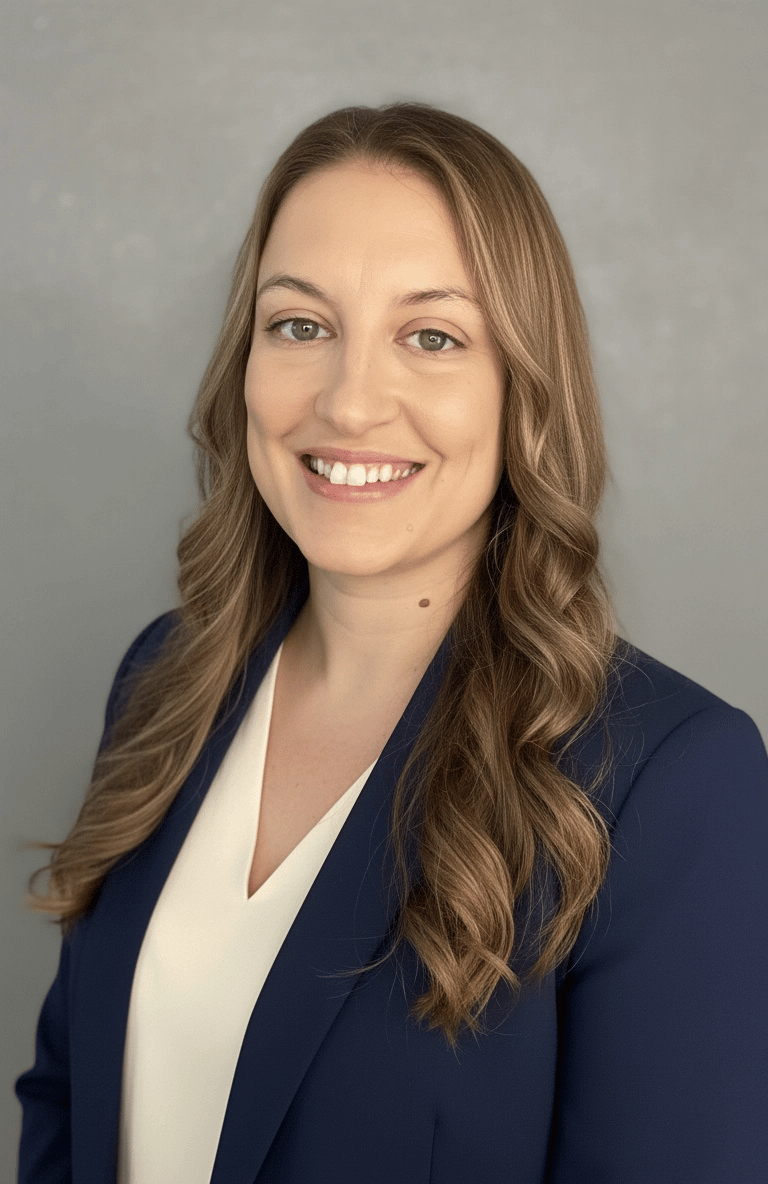
Prof. Jennifer Young, PhD
Jennifer Young (PhD) is an Associate Professor at the University of the Cumberlands (USA), a licensed mental health counselor, certified addiction professional, and scholar whose work centers on mental health in space and aerospace environments. She serves as a Research Fellow with the Advanced SpaceLife Research Institute, is the founder and director of the International Association for Space Counseling, and is editor of the Journal of Space Counseling and Behavioral Health. Her background combines clinical mental health practice, research, counselor training, space operations, and leadership in behavioral health systems, positioning her to examine the psychological, relational, and adjustment demands associated with human spaceflight, space habitation, and other extreme operational environments.
Experience
Position title
Research Fellow in Mental Health and Behavioural Science
Research Focus
Dr. Young’s research focuses on mental health and behavioral science in spaceflight and emerging aerospace contexts, with emphasis on how humans adapt, function, and remain psychologically well in environments beyond Earth. Her work explores space counseling, astronaut and civilian behavioral health, resilience in isolated and high-demand settings, and the human factors that support sustainable life in space. She is the author of System and Sustainability Determinants of Life in Space, and her recent presentations address resilience beyond Earth, counseling practice for new space environments, and sustainable human performance in future off-world communities.
Selected Publications
Young, J. (2026). System and Sustainability Determinants of Life in Space: A Determinants-Based Conceptual Framework for Human Health Beyond Earth. New Space. https://doi.org/10.1177/21680256261417208
Young, J. (2026). Counseling’s Next Frontier. Counseling Today. American Counseling Association.
Young, J. & Jackson, D. (2025). Navigating microaggressions: Impacts on counselor professional identity development and instructional strategies for inclusivity. Association for Counselor Education and Supervision Teaching Practice Briefs, 6.
Young, J. (2025). Adlerian therapy. In From theory to practice: An integrative approach. [Chapter] Bonfini, J., & Bunch, M.G. (Eds.). (2025). From theory to practice: An integrative approach to case conceptualization and treatment planning. Kendall Hunt.
Young, J. (2023). AI reflective practice and bias awareness in counselor education. Association for Counselor Education and Supervision Teaching Practice Briefs, 3.
Kaufmann, D., Smith, D., Barnes, J., Lawrence, J., Young, J., Land, C., Guy, T., Krzewski, E. (2021). A pedagogical reflection on counseling skills in asynchronous learning environments. Journal of Instructional Research, 10, 47-57.
Young, J. (2020). Using the social determinants of health to examine and address substance use interventions for older adults. Advances in Addiction and Recovery 8(4), 28-29.
Dr. Zerrin Kozma Kim, PhD
Zerrin Kozma Kim, PhD, is an accomplished microbiologist specializing in plant–microbe interactions, microbiome ecology, and microbial adaptations in extreme environments, including spaceflight conditions. She earned her Ph.D. in Plant Microbiology from Seoul National University, South Korea, with her dissertation titled "Root Microbiomes of Medicinal Plants via Comparative Microbial Community Analysis," which advanced knowledge of microbial dynamics through amplicon-based sequencing and culture-dependent techniques. Dr. Kozma Kim’s research examines the effects of microgravity and radiation on microbial growth, gene transfer, and host interactions, with applications to medicinal plants and human microbiomes. Through collaborations with NASA GeneLab’s Plant, Microbe, and Women’s Reproduction Analysis Working Groups, she contributes to space bioscience by developing microbiome-based strategies to enhance astronaut health and inform biomedical applications. Her work emphasizes the role of microbial metabolites in immune modulation and drug discovery, bridging microbiology with evolutionary biology and therapeutic innovation. Complementing her expertise, Dr. Kozma Kim employs multi-omics and computational biology to uncover microbial signatures that drive stress adaptation and secondary metabolism. She has published in peer-reviewed journals, presented at international conferences, and is a member of the Korean Space Science Society and the Korean Society of Microbiology, where she promotes interdisciplinary collaboration in microbiology and space bioscience.
Experience
Position title
Post-Doctoral Fellow in Astrobiology and Space Food


Research Focus
Dr. Kozma Kim’s research explores the interplay between host organisms and their microbiomes in diverse and extreme environments. By integrating culture-dependent and independent approaches, molecular techniques, cell culture, animal models, and advanced omics analyses, she identifies microbial signatures influencing stress adaptation, secondary metabolism, and community evolution.
Selected Publications
KIM, Z. K., Park, Y. S., Yang, T. J., Kim, H., & Lee, Y. H. (2025). Unveiling microbial complexity within Astragalus propinquus and Glycyrrhiza uralensis roots. https://doi.org/10.1186/s13213-025-01802-0
Kozma Kim, Z., Park, Y.S., Yang, TJ. et al. (2024). Root microbiome of Panax ginseng in comparison with three other medicinal plants in the families of Araliaceae and Apiaceae. Sci Rep 14, 30381. https://doi.org/10.1038/s41598-024-81942-6
Hilal OZKILINC, Zerrin KOZMA, Burcu PEKDEMİR, Birgul GULNAR., (2018). 'Characterization of Cryphonectria parasitica From Native Chestnut Trees in Kaz Mountain (Mount Ida)'. Journal of Agricultural Faculty of Gaziosmanpasa University http://ziraatdergi.gop.edu.tr/ JAFAG ISSN: 1300-2910 E-ISSN: 2147-8848 (2018) 35 (1), 38-45 doi:10.13002/jafag4357.
1. Medicinal Plant Microbiomes and Functional Diversity
• Comparative analysis of bacterial and fungal endophytes across medicinal plant families.
• Linking microbial composition to host phylogeny and bioactive metabolite synthesis for drug development.
2. Space Microbiology and Environmental Adaptation
• Investigating microgravity and radiation effects on microbial communities, growth, gene transfer, and host responses.
• Developing omics-driven models to study immune modulation, microbiome stability, and shifts (e.g., in gut microbiomes) under spaceflight conditions, using cell culture and animal models.
3. Microbial Metabolites and Biotherapeutic Potential
• Identifying microbiome-derived secondary metabolites from medicinal plants for immune modulation and drug discovery.
• Integrating microbiome insights into evolutionary biology and regenerative medicine through in vitro and in vivo studies.
4. Omics Integration and Computational Biology
• Leveraging multi-omics approaches (e.g., metagenomics, transcriptomics, and metabolomics) to elucidate microbial community dynamics and host interactions.
• Developing bioinformatics pipelines and applying advanced statistical methods to correlate microbial gene expression with host immune responses and metabolite production.
• Contributing to multidisciplinary research by combining computational biology with microbiology and space bioscience to address host–microbiome co-evolution and therapeutic development.
Core Research Focus Areas
Dr. Ashok Narayanamoorthi, PhD
Dr. Ashok Narayanamoorthi is a distinguished Flight Surgeon with over 15 years of global, interdisciplinary expertise in aerospace medicine and clinical research. He obtained his medical degree from Madras Medical College under the Dr. MGR Medical University. He did his residency at the Institute of Aerospace Medicine under Indian Air Force affiliated with Rajiv Gandhi University of Health Sciences. He has cultivated a career at the forefront of space and extreme environment medicine. He completed Aerospace Medicine Research Rotation at NASA’s Johnson Space Center focused on exploration medical capability (ExMC) element for Moon, Mars, and Near-Earth Asteroid (NEA) missions. He completed Southern Hemisphere Space Studies Program with the International Space University and University of South Australia.
A graduate of the Program PoSSUM Scientist-Astronaut Class 1801 under IIAS. Dr. Ashok has served as Crew Flight Surgeon and Health & Safety Officer at the Mars Desert Research Station (MDRS) and as an analog astronaut with Mars Academy USA. He was the first Indian citizen selected as a candidate for Project SIRIUS, an international analog mission simulating the Lunar Orbital Gateway, led by Russia’s IBMP in collaboration with NASA and other space agencies. He completed Space Physician Training Course (SPTC) with ESA.
Experience
Position title
Astronaut and Research Fellow in Space Medicine


Research Focus
Ashok’s interests span space medicine, human factors, life support systems, clinical genetics, patient safety, and aeromedical training. He is a certified advanced instructor in spatial disorientation, ejection, high performance human centrifuge, survival systems, night vision systems, human factors, system integration and hypo/hyperbaric chamber operations, and holds numerous certifications in biomedical research, large medical data analysis, pharmacovigilance, and drug safety.
Fluent in Telugu, Tamil, English, and Hindi—and conversant in Arabic, Kannada, and Malayalam. Dr. Ashok is also a passionate STEAM education advocate. He is a member of Indian Medical Council, Indian Society of Aerospace Medicine, Royal Aeronautical Society (UK), Aerospace Medical Association (AsMA), Space Medical Association (SMA), Space Surgery Association (SSA), Drug Information Association (DIA) and Austrian Space Forum (OeWF), and has authored publications in several prestigious journals, training manuals and chapters in books.
Selected Publications
“Space Medicine: Human Physiology in Space, A Focus on effects of Microgravity and radiation”. Speaker. 4th Dubai Health Forum at Dubai, UAE in Mar 2022.
Sabei S, Yahyai N, Wardi Y, Ashok N, Sasirajan J. Basic Aviation Medicine. Royal Air Force of Oman. 2nd ed. 2021.
Sabei S, Yahyai N, Wardi Y, Ashok N, Sasirajan J. Aviation Medicine Indoctrination Manual. Royal Air Force of Oman. 2020.
Sabei S, Yahyai N, Wardi Y, Ashok N, Sasirajan J. Refresher Aviation Medicine Manual. Royal Air Force of Oman. 2020.
Co-Presented original research article titled “Mars Medics analog astronaut mission during austere I.C.E (isolated and confined) environment – Nepal scenario in 70th International Astronautical Congress (IAC) at Washington D.C, USA in Oct 2019
Presented original research article titled “Crew Wellness in short duration Mars analog mission – A Pilot study” in 66th International congress of Aviation and Space Medicine (ICASM) at Bangkok, Thailand in Nov 2018
Ip-Jewell S, Ashok N et al. “A 21st century S.T.E.A.M.E.D academy business model creating edutainment in experiential and simulation-based learning and exponential technologies to train NextGen leaders and Analog Astronauts” in International Astronautical Congress (IAC), Bremen, Germany in Oct 2018
Ashok N. Research inspiring millions. Editorial Science Talk. Frontech Biosciences. Sep 2018. Vol 1. No 1
Schweizer P, Ashok N, Zhang L, Heumesser, Castellanos-Velasco L. “Roadmap to small satellite solutions for agricultural challenges” in International Astronautical Association (IAA), Berlin, Germany in Apr 2017
Presented original research article titled “Personality maneuvers flyer’s fatigue – Indian Civil Aviation Scenario” in 57th International Congress of Aviation and Space Medicine (ICASM) at Zagreb, Croatia in Sep 2009
Presented original research article titled “Clinical and Genetic Analysis of Tuberous Sclerosis Complex in an Indian family” in the International Conference at Annapolis, USA organized by Tuberous Sclerosis Alliance in Sep 2007
Editorial board for “Principles of Pharmacology” 1st ed. by Prof. R. Murali
Kinra P, Ashok N, Tyagi P, Dutta V. Study of simulated microgravity on immunological parameters. Indian Journal of Aerospace Medicine. Vol 56. No 1
Singh W, Gomez G, Swamy S, Ashok N, Reddy M. “Aeromedical Decision Making-Approach to a case of Vitiligo”. Indian Journal of Aerospace Medicine. Vol 53. No 1
Chaturvedula S, Ashok N. Personality Maneuvers Flyer’s Fatigue-Indian Civil Aviation Scenario. Indian Journal of Aerospace Medicine. Vol 55. No 1
Dr Ashok is a certified Spatial Disorientation Instructor, Night Vision System Instructor, Ejection seat Trainer, Hyper/Hypobaric chamber Instructor, MedDRA, WHODrug, CITI-Biomedical Research, Integrated Safety Management System (ISMS-ICAO), and On-the-Job training Instructor (OJT-ICAO). He is the First manifested commercial Physician/Flight Surgeon Astronaut from the Indian Subcontinent and the MENA region. He is currently preparing for his sub-orbital spaceflight in New Shepard rocket with Blue Origin.
Professional Qualifications (as the first manifested astronaut)
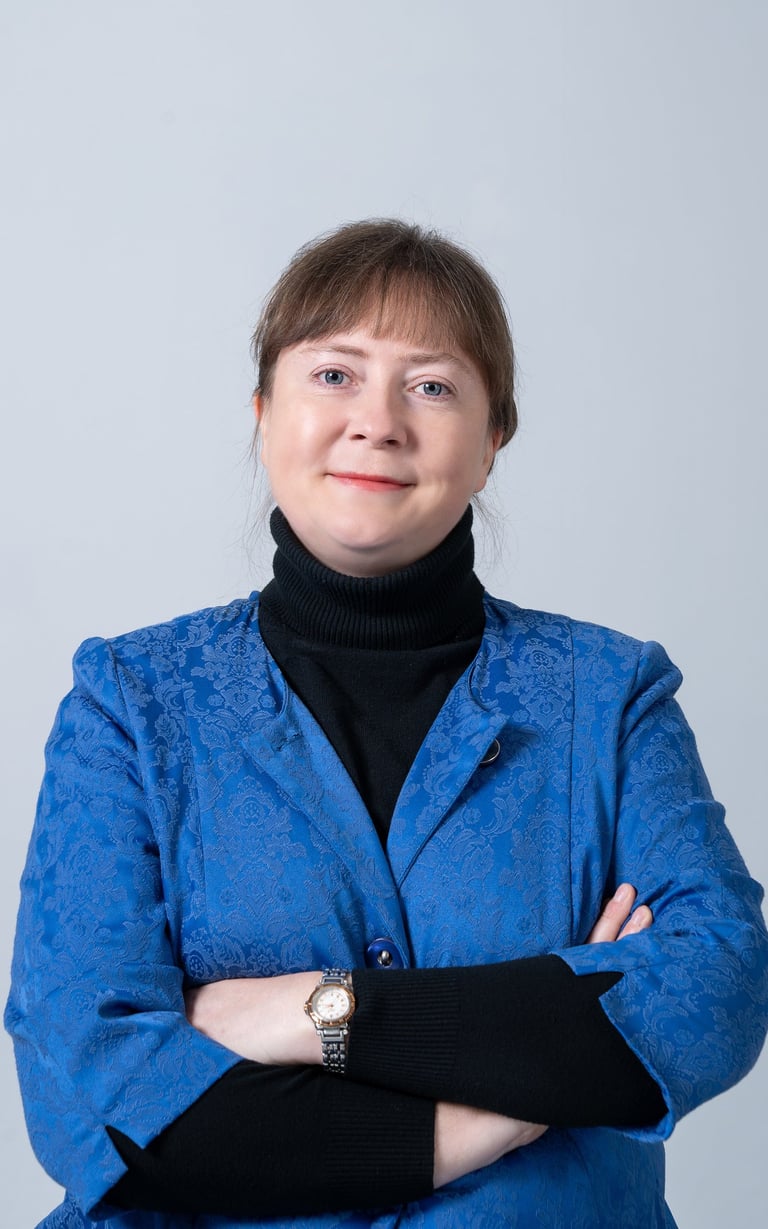
Prof. Olga Shvetsova
Olga Shvetsova is an Associate Professor at Korea University of Technology and Education (Koreatech) in South Korea. She is a Leader of Global Academia and Research Lab (GARH) and a mentor of the MBA program at OBS Business School (EU, Barcelona). She is a researcher and educator specializing in international business, innovation management, digital transformation, and business analytics. Her work spans interdisciplinary fields including artificial intelligence in business analytics, digital entrepreneurship, global sustainability, and technology management. She has several International Awards (Best conference paper; Best flip-learning course; Best researcher), and in 2023, she was awarded the Prime Ministry Award in the Republic of Korea.
Experience
Position title
Research Fellow in Space Business and Economics
Research Focus
Prof. Shvetsova’s research focuses on the intersection of space economy, business analytics, digital transformation, and innovation ecosystems. Olga’s research contributes to understanding how technological innovation and data-driven decision-making influence business performance, competitiveness, and economic development in rapidly changing global environments. Her current and future interests include the commercialisation of advanced technologies, emerging business models in the New Space sector, AI-enabled decision support systems, and the economic impact of business activities on national competitiveness and sustainable development.
Selected Publications
Katalshov, Danila, Shvetsova, Olga, Lee, Sang-Kon and Koltun, Sviatlana (2026). Decoupling intelligence from governance: A dynamic bilateral architecture for real-time enterprise AI compliance. Electronics, 15(10), 2125. DOI: 10.3390/electronics15102125
Shvetsova, O., Katalshov, D., & Lee, S.-K. (2025). Innovative guardrails for generative AI: Designing an intelligent filter for safe and responsible LLM deployment. Applied Sciences, 15(13), 7298. DOI: 10.3390/app15137298
Shvetsova, O. A. (2025). Managing global talent: Innovative solutions and a sustainable strategy using a human-centric approach. Administrative Sciences, 15(5), 190. DOI: 10.3390/admsci15050190
Shvetsova, O., Bialevich, A., Kim, J., & Voronina, M. (2023). Behavioral model deployment for transportation projects within a smart city ecosystem: Cases of Germany and South Korea. Processes, 11(1), 48. DOI: 10.3390/pr11010048
Shvetsova, O., Lee, S.-K. (2021). Living labs in university-industry cooperation as a part of innovation ecosystem: Case study of South Korea. Sustainability, 13(11), 5793. DOI: 10.3390/su13115793
Shvetsova, O. A., Park, S. C., & Lee, J. H. (2021). Application of quality function deployment for product design concept selection. Applied Sciences, 11(6), 2681. DOI: 10.3390/app11062681
Shvetsova, O. A., & Lee, J. H. (2020). Minimizing the environmental impact of industrial production: Evidence from South Korean waste treatment investment projects. Applied Sciences, 10(10), 3489. DOI: 10.3390/app10103489
Lee, J. H., & Shvetsova, O. A. (2019). The impact of VR application on students’ competency development: A comparative study of regular and VR engineering classes with similar competency scopes. Sustainability, 11(8), 2221. DOI: 10.3390/su11082221
Thiha, Hein; Shvetsova, Olga, (2025). Promoting Sustainable Development Goals Through Green Campuses: A Focus on ESG-Focused Student Engagement and Environmental Awareness, book chapter in Strategic Workforce Reskilling in Service Marketing Book, DOI: 10.4018/979-8-3373-0164-8.ch017
Shvetsova, Olga A. (2019). Technology management in international entrepreneurship: innovative development and sustainability, Book, South Korea, ISBN 978-153616778-8
Dr. Christian Caiconte
Dr Christian Caiconte is a social scientist working primarily on global political economy and critical theory. He is concerned both with the general historical development of capitalism, particularly the relationship between the spheres of economy and culture, and with more empirical issues, such as developmental policy.
Dr Caiconte completed his PhD in Political Economy at the University of Sydney (2022), where he has held teaching and research positions in economic policy and the future of work. He has also been working at the University of New South Wales (UNSW), Macquarie University and CQUniversity in Australia
Experience
Position title
Post-Doctoral Fellow in Space Policy and Ethics


Research Focus
Dr Caiconte’s interdisciplinary research on the link between space policy and ethics includes:
1. A structural analysis of the Korea AeroSpace Administration’s (KASA) objective to develop the “space economy”: An investigation of the economic, political and cultural relationships underlying Korea’s private sector-led space economy strategy, highlighting the effects of these relationships on the development of Korea’s space governance.
2. A historical exploration of the concepts of astronaut and space personnel: A review and critique of the literature on these two notions, with reference to the historical development of global capitalism.
Selected Publications
2024. “Yŏgong Between the Compulsion of Production and Modern Desire”. Situations: Cultural Studies in the Asian Context, 17(1), 51-73.
2024. “Book Forum: Global Libidinal Economy” (with Kapoor, I., Fridell, G., Sioh, M., de Vries, P., Uluorta, H., Richter, H. & Gómez, M.). Distinktion: Journal of Social Theory, 25(1), 108-133.
2023. “The Life-Nerve of the Dialectic: György Lukács and the Metabolism of Space and Nature” (with Altun, S., Moore, M., Morton, A. D., Ryan, M., Scanlan, R. & Smidt, A. H.). Review of International Political Economy, 30(2), 584-607.
Veronica Hargis
Veronica Hargis is an experienced human spaceflight operations and recruitment specialist with over 15 years of expertise in project coordination, compliance oversight, and 4 years of spaceflight analog candidate selection. Recently served as the Spaceflight Analog Subject Recruiter for NASA’s Human Research Program (Research Operations and Integration element) at Johnson Space Center, Houston, she led full-cycle recruitment and screening for mission-critical analog programs. Her extensive background includes evaluating multi-disciplinary candidate pools, coordinating comprehensive clinical and psychological screening pipelines, and managing complex program schedules and regulatory compliance frameworks.
Experience
Position title
Senior Clinical Fellow in Astronaut Selection and Management


Research Focus
Hargis’s primary research focus centers on the operational execution of crew selection, recruitment, and management for NASA’s high-fidelity isolation missions, specifically within the Human Exploration Research Analog (HERA) and the Exploration Atmosphere Chamber at Johnson Space Center. In this role, she investigates and applies multi-dimensional screening methodologies—spanning physical health, psychiatric readiness, and group dynamics—to select high-performing analog crewmembers. Driven by a passion for STEM education and instructional design, her academic interest also bridges spaceflight operational research with educational learning design and technology, exploring how evidence-based learning frameworks and technology-enhanced environments can optimize human performance and science communication.
Core Research Areas
1. Spaceflight Analog Crew Selection & Suitability: Developing and refining multi-phased screening protocols, evaluating medical and psychological questionnaires, and assessing interpersonal compatibility for high-stress isolation missions.
2. Human Subjects Protocol & Clinical Screening Pipelines: Synchronizing physiological, psychological, and endurance assessments (such as VO2 max, ECHO/ASD, and psychiatric evaluations) while ensuring strict regulatory compliance and medical data privacy.
3. STEM Education & Learning Design Technology: Designing impactful educational frameworks and technological interventions to advance STEM engagement, human spaceflight learning, and operational training design.
4. Mission Readiness & Operational Coordination: Integrating cross-functional inputs across flight operations, clinical research teams, and principal investigators to ensure timeline fidelity and mission success.
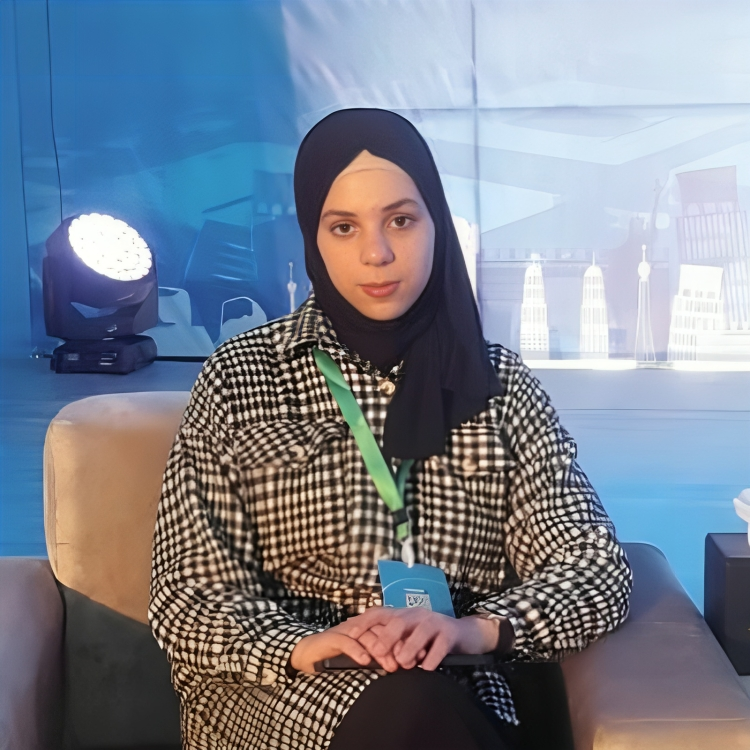
Zainab Jamil
Zainab Jamil is an emerging researcher in Artificial Intelligence with a strong focus on human-centered applications for space exploration. As the first Intern in AI-Astronaut Research at the Korea Institute for Astronauts (KIFA), she brings a bold interdisciplinary vision that bridges AI engineering, space medicine, and astronaut performance optimization. Her work explores intelligent systems for long-duration missions, including cognitive monitoring, adaptive health analytics, and mission-critical decision support.
Zainab has contributed to several advanced machine learning projects. She is deeply committed to understanding how AI can enhance astronaut safety, mental resilience, and operational efficiency in extreme environments.
Driven by curiosity and ambition, Zainab aims to push the boundaries of human–AI collaboration for lunar and Martian exploration. Her passion for innovation, research excellence, and the future of space medicine positions her as a new voice in the next generation of AI-astronaut science.
Position title
Intern in AI-Astronaut Research

Experience
Dayeon Heo
Dayeon Heo is a PhD candidate at Purdue University. She previously studied Chemistry at Hanyang University, Seoul and earned both her BS and MS degrees in Nursing from Ewha Womans University, Seoul. She gained clinical experience in the Department of Neurology at Ewha Womans University Medical Center and Samsung Medical Center, where she worked extensively with electronic medical records and clinical data management systems.
Experience
Position title
PhD Researcher in Space Neurological Physiology and Health Data


Research Focus
With her interdisciplinary educational background and hands-on experience handling medical data, she focuses on research that bridges science and clinical practice through system-level approaches. Her work centers on developing clinical decision support systems that integrate environmental and health data, with a particular interest in leveraging multimodal data for monitoring neurological diseases. She is the first author of a publication in a Q1-ranked journal and is actively integrating her expertise into the field of space medicine under the mentorship of Professor Barrett S. Caldwell.
Selected Publications
Heo, D., Foli, K., & Hass, Z. (2025). An application of Nightingale’s environmental theory in telenursing. Nursing Outlook, 73(3), 102422. https://doi.org/10.1016/j.outlook.2025.102422 (Q1, Top 8% in JCR Nursing, 2024)
Heo, D., Caldwell, B. S., & Hass, Z. (February 2026 submitted). Automation of Digital Healthcare: A Systematic Scoping Review. Acta Astronautica. [under review]. (Q1, Top 17% in JCR Aerospace Engineering, 2024)
Hawkins, L., Johnson, S., Chipps, S., McCann, A., Foreman, K., Heo, D., Xu, D., Braughton, R., & Ajuwon, A. (2026). Group-based psychoeducation for dissociative disorders: Reducing PTSD and dissociative symptoms while enhancing emotion regulation and adaptive capacity. Psychological Trauma: Theory, Research, Practice, and Policy.
Heo, D., & Kim, S. S. (2022). The influence of parental self-esteem on late school-aged children’s media device addiction: The mediating effect of marital conflict and children’s self-esteem. Journal of Korean Academy of Nursing, 52(4), 421-434.https://doi.org/10.4040/jkan.22036
Kim, S. S., Gil, M., Kim, D., Kim, S., Heo, D., & Moon, N. Y. (2022). Validity and reliability of the Korean version of the couple satisfaction index. Journal of Korean Academy of Nursing, 52(2), 228-227. https://doi.org/10.4040/jkan.21177
Emily Seolah Min
Seolah Min (Emily) is a dedicated student at Kookmin University pursuing a dual academic path that reflects her diverse intellectual interests. She is majoring in English Language and Literature while also studying Law as her second major, demonstrating her commitment to both linguistic excellence and legal understanding.
Currently enrolled at one of South Korea's respected universities, Emily represents the new generation of globally-minded students who are preparing to bridge cultural and professional boundaries in an increasingly interconnected world.
Position title
Research assistant